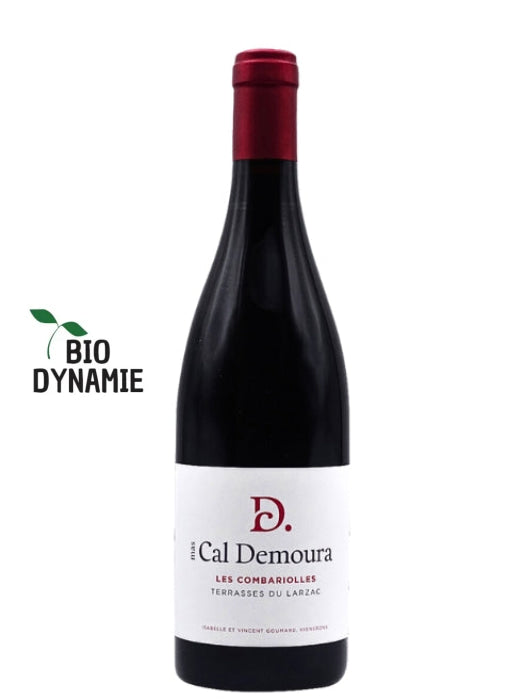
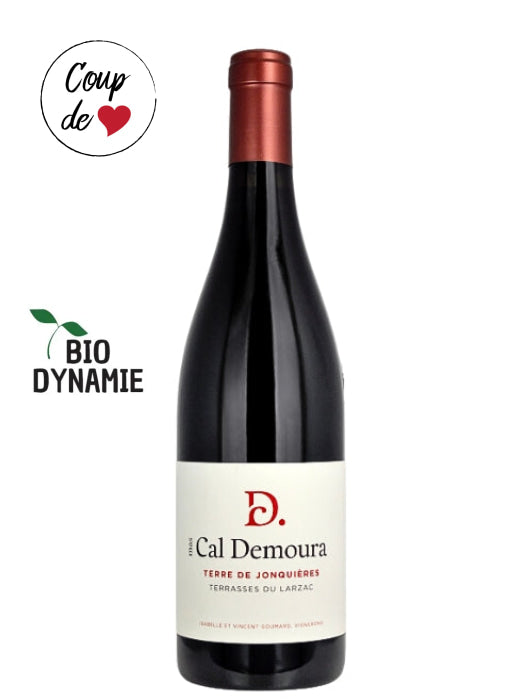
Are you a lover of powerful, full-bodied red wines? Let me take you on a journey through the sun-drenched vineyards of the Mediterranean and set off to discover the grape variety Carignan ! Well established in France (its primary vineyard), this typically Mediterranean variety perfectly embodies the richness and strength of the region’s wines.
To better understand this fascinating grape variety, La Cave Éclairée invites you to a complete immersion into the world of Carignan.
History and Origins of Carignan
The winegrowing history of Carignan dates back to Roman times. Originally from the Aragon region in Spain, where it is locally called “mazuelo” or “mazuela,” this grape variety was introduced to France by the Romans. It has been cultivated since the Middle Ages in the south of France, an area where it quickly flourished, notably in the vineyards of Languedoc-Roussillon and Provence.
Thus, in the 12th century, the cultivation of Carignan allowed Mediterranean regions to develop economically. The local wines were then especially prized by royal courts and merchants, ensuring the grape’s reputation.
Then, during the 18th and 19th centuries, Carignan wines experienced a growing popularity, notably thanks to Dutch merchants. This period even marks the golden age of the grape, with flourishing production crossing borders.
Nevertheless, during the 20th century, Carignan production experienced ups and downs. Thus, while a peak of 150 000 hectares planted worldwide was recorded in the 1980s, the grape later saw a significant decline in popularity due to its high productivity resulting in wines of variable quality.
However, the significant efforts made in recent decades by many winemakers (notably those from Languedoc-Roussillon) are gradually bearing fruit. Carignan is thus regaining its former glory and today allows the production of magnificent powerful red wines, when the variety is grown on suitable terroirs and with controlled yields. Moreover, the variety has serious advantages in the face of climate change. Optimism is therefore in order for the future of this variety!
Where is the Carignan grape grown ?
Carignan is mainly grown in Mediterranean regions benefiting from strong sunlight and dry soils that promote its good ripening. In France, the grape is particularly present in Languedoc-Roussillon and the Provence region.
Outside of France, Carignan is also found in Spain (6 000 hectares), Italy, California, as well as in several South American countries such as Argentina and Chile. Depending on the region, this grape is known by many names such as Mazuelo, Cariñena, Crignane, Crinan, etc.
Moreover, the diverse soils where Carignan is grown also contribute to the complexity of its wines. Three main types of soils can be distinguished where the variety thrives:
- clay-limestone soils,
- schist soils,
- sandy and gravelly soils.
The diversity of terroirs thus allows winemakers to produce Carignan wines with varied profiles, ranging from powerful, tannic reds to lighter, fruitier wines.
The characteristics of Carignan
Carignan is a versatile and robust grape variety. When grown at high yields, it produces bland, diluted, and low-alcohol wines. However, if this grape is grown on suitable terroirs and with more limited yields, it then reveals its full potential.
Carignan noir generally produces deeply colored wines, full-bodied and powerful, displaying great generosity on the palate as well as a pronounced tannic structure. These wines therefore often require aging in oak barrels to soften and develop their full complexity.
From an aromatic point of view, wines from this grape variety regularly reveal flavors of black fruits such as blackberry and black cherry, but also spicy notes of pepper, licorice, and garrigue.
Carignan is also rarely vinified alone. It is in fact often blended with grape varieties such as Syrah or Grenache, thus balancing its power to create harmonious wines.
However, some winemakers do produce high-quality 100% Carignan wines. Often from old vines, these wines highlight all the richness and aromatic complexity of Carignan, offering a unique and authentic tasting experience.
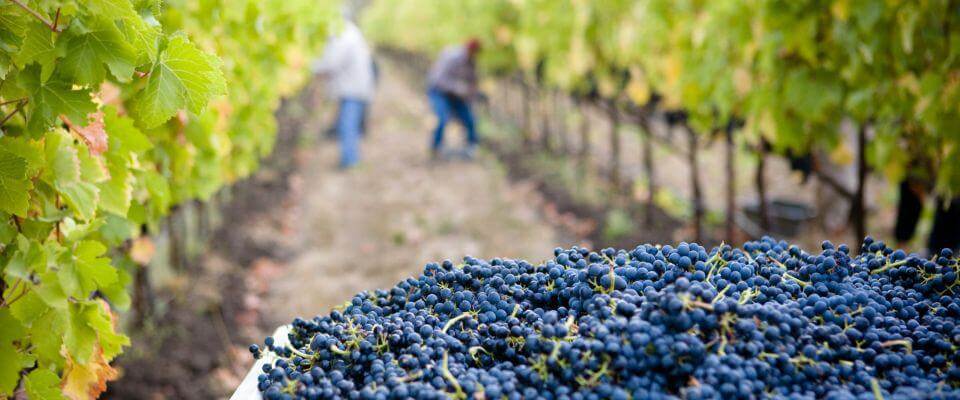
Carignan Harvesting
What to eat with Carignan?
The intense aromatic palette of Carignan makes it an ideal companion for flavorful dishes. Here are some suggestions to best enjoy the wines produced from this grape variety.
Spicy and Mediterranean dishes
Looking for an exceptional taste pairing? Try Carignan with lamb-based dishes such as roast leg of lamb or grilled lamb chops. Tapenades and other Catalan specialties also perfectly enhance the spicy notes of the wine.
Vegetables and slow-cooked dishes
Roasted meats
Rich in black fruit aromas as well as spicy and animal notes, Carignan pairs wonderfully with meats such as poultry or pork. Imagine roast chicken, roast pork, or even roast guinea fowl accompanied by this wine ! These pairings will highlight the tannic structure and complex flavors of Carignan, for an unforgettable meal.
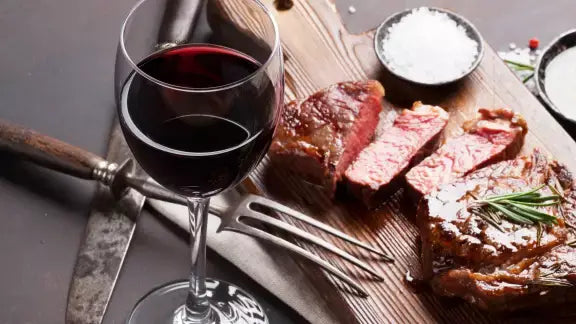
Roast meat accompanied by a Carignan wine: a delight!
At what temperature should a wine made from Carignan be served ?
To fully appreciate the aromas and flavors of wines made from Carignan, it is important to serve them at the right temperature. Thus, Carignan red wines should generally be served between 16 and 18°C to ideally reveal their aromas.
It is also recommended to open a young Carignan wine one to two hours before serving. This will allow it to fully release its aromatic qualities. In their youth, these wines are often powerful and rustic but offer a rich and varied aromatic palette, thus revealing all the typicality of Mediterranean terroirs.
Finally, rosés made from Carignan are best enjoyed between 8 and 10°C to preserve their freshness and liveliness.
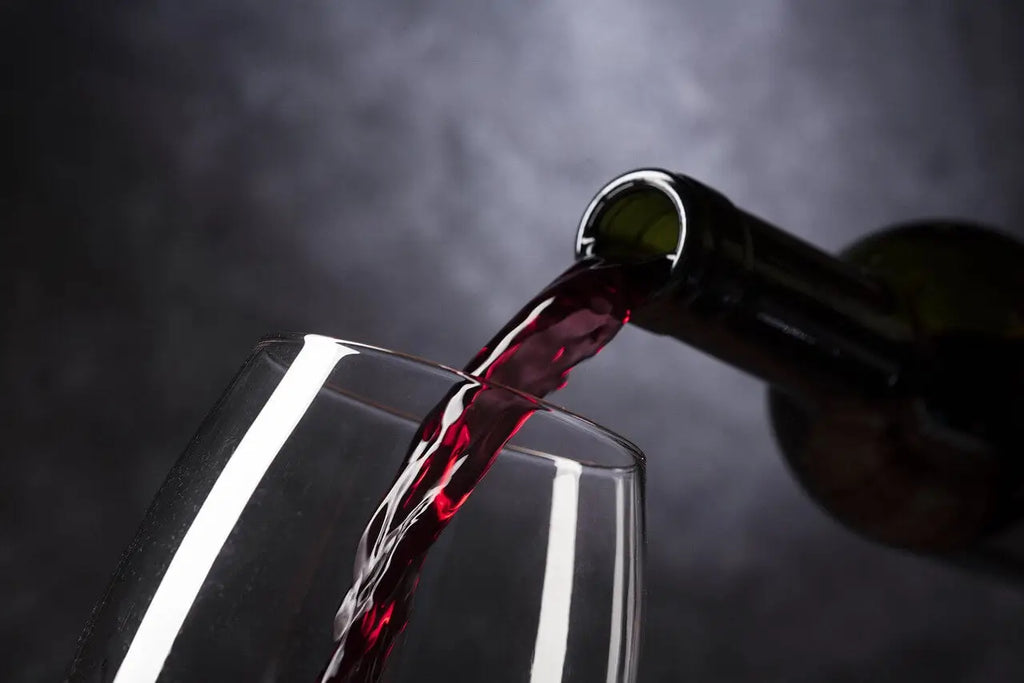
Serving Carignan at the right temperature allows you to fully appreciate its aromas
The best wines made from the Carignan grape variety
The best French Carignans mainly come from the Languedoc-Roussillon region, notably from appellations such as Côtes du Roussillon, Saint-Chinian, and Terrasses du Larzac.
Provence, with appellations such as Côtes-de-Provence, Palette, Bandol as well as the southern Rhône Valley, are also prime terroirs for this grape variety, although it is almost never the majority in the blends.
As you will have understood, Carignan is a fascinating grape variety that deserves to be rediscovered and appreciated at its true value ! So don’t hesitate to explore our selection of Carignan wines on lacave-eclairee.fr and invite this unique grape to your table! You will certainly be won over by its complex aromas and authentic character. Cheers!