

Welcome to the sunny world of Bandol wines ! Located in the heart of Provence, this wine appellation perfectly embodies the complexity as well as the diversity of the cuvées from its magnificent region.
Indeed, while the AOC is mainly known for its red wines made from the Mourvèdre grape variety, its vineyards actually produce mostly fleshy and intense rosés as well as refined whites in smaller quantities.
La Cave Éclairée therefore offers you today a complete immersion into this emblematic Provençal appellation. Ready for an unforgettable wine adventure? Let’s go!
History of the Bandol Appellation
The wine history of Bandol began in the 6th century BC, a period during which the Phocaeans introduced vine cultivation to the region. Then, at the beginning of our era, the Romans structured the vineyard into terraces and began exporting the wines produced from the port of Bandol, which would give its name to the vineyard.
Thanks to its proximity to the Mediterranean, wine could easily travel by sea, already contributing to the reputation of the great age-worthy wines of Bandol.
In the 18th century, Louis XV invited Bandol wine to his royal table. During the 19th century, the size of the regional vineyard even reached its peak before being devastated by phylloxera from 1870 onwards.
In 1941, the Bandol AOC was finally established. Many winegrowers then massively replanted, favoring grape varieties suited to the terroir such as Mourvèdre, Cinsault, and Grenache.
Today, Bandol is recognized for its high-quality wines, produced by passionate winemakers who perpetuate traditions while innovating. The appellation covers about 1,500 hectares, spread over eight municipalities, and has more than 60 producers. Bandol wines are highly appreciated both in France and internationally, thanks to their unique character and exceptional aging potential (for reds).
Climate and terroirs of the Bandol AOC
The climate of Bandol is Mediterranean and is characterized by warm temperatures in summer and mild winters, creating ideal conditions for the ripening of local grape varieties. Rainfall is also relatively low (about 700mm per year) but can be very intense.
The soils of Bandol are also a key factor in the quality of the appellation’s wines. The vineyard is indeed based on a foundation of limestone and marl formed several million years ago.
Poor clay-limestone soils predominate here, ideal for Mourvèdre, the king grape of the appellation. These soils provide good drainage while retaining enough moisture for the vines during dry periods.
Sandy and gravelly soils can also be found in certain plots, perfect for the Grenache and Cinsault grape varieties, used as secondary varieties in blends.
Finally, the stony terraces typical of the Provence region bring additional complexity to the wines by enhancing their minerality and structure.
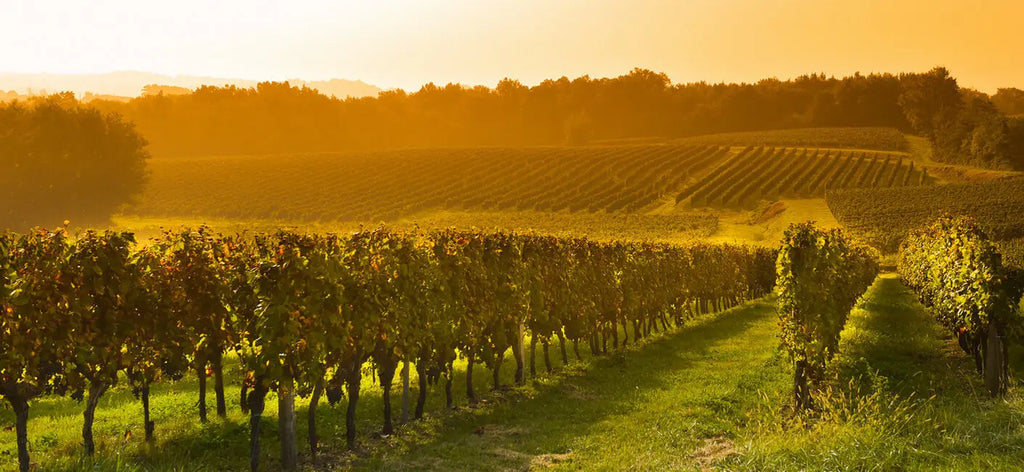
Bandol vineyard at the Heart of the Provençal Terroir
The wines of the Bandol AOC
Bandol wines come in three colors: red (31%), rosé (64%), and white (5%). Each of them has distinct characteristics that appeal to wine lovers around the world.
Bandol red
Although minority in production compared to rosés, Bandol red wine is definitely the emblem of the appellation. Mainly composed of Mourvèdre (between 50% and 95%), Bandol reds are often blended with Grenache and Cinsault or much more rarely with the varieties Carignan and Syrah.
Bandol reds are powerful, tannic, and stand out for their exceptional aging potential. With their ripe black fruit aromas (blackcurrant, plum, wild blackberry, etc.), spices (pepper, garrigue, cinnamon, clove, etc.) and sometimes a touch of animal character in their youth, Bandol reds indeed evolve beautifully over time, developing complex and harmonious notes of prune, leather, and humus.
Bandol rosé
Bandol rosés represent the majority of wines produced within the appellation. Mainly made from Mourvèdre and often blended with Grenache and Cinsault, these are fleshy, spicy wines indulgentmore suited to the table than as an aperitif.
Bandol white
Bandol white, although produced in small quantities, is nonetheless particularly interesting and enjoyable for tasting. Mainly composed of the grape varieties Clairette (between 50 and 95%), Ugni Blanc, and Bourboulenc, it is a wine that usually offers a rich aromatic bouquet with notes of white flowers, citrus, and exotic fruits. Freshness and liveliness are the key words here!
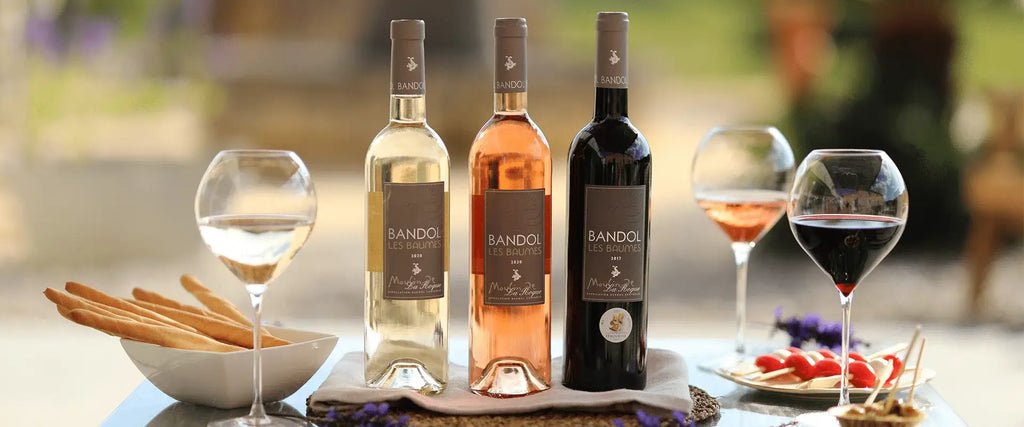
Bandol wines come in three colors: white, rosé, and red!
What to eat with a Bandol?
Are you wondering which dishes will enhance Bandol wines? The answer lies in the diversity of possible pairings, each promising a unique culinary experience.
What to eat with a Bandol white?
Looking for freshness and lightness? Bandol white will be your ideal ally. Its liveliness and floral and fruity notes pair perfectly with dishes such as veal blanquette or noble fish like salmon, cod, or John Dory.
Also try the experience with a mixed salad or grilled vegetables ! Finally, goat cheeses, with their creamy texture, will also find a perfect companion in it.
To fully enjoy Bandol white, serve it chilled, between 8 and 10°C.
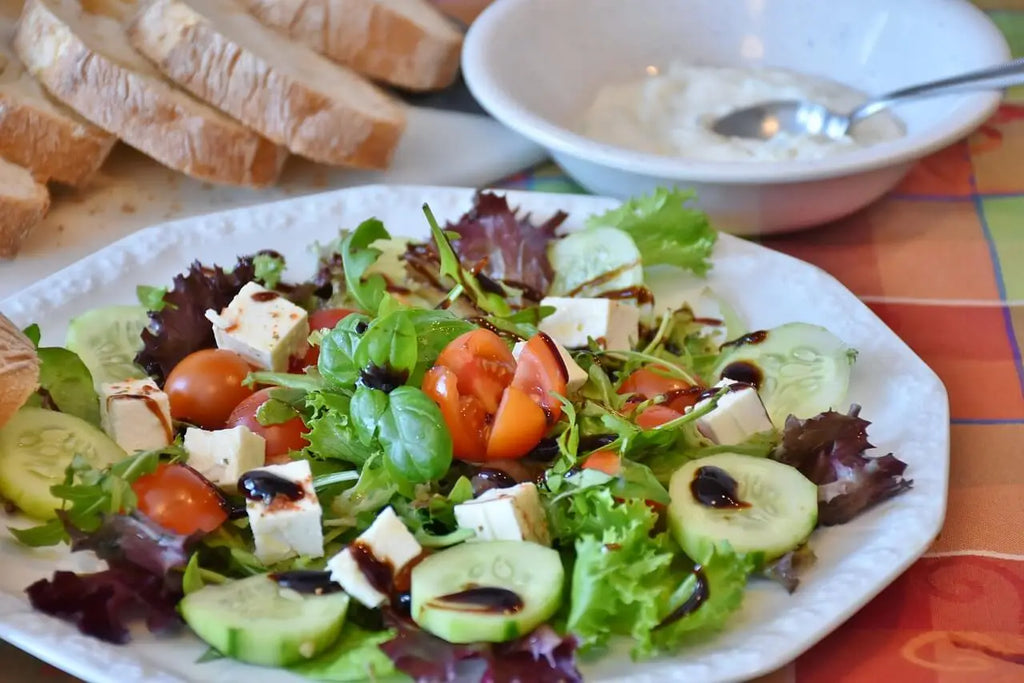
Mixed salad and Bandol white wine: a perfect pairing!
What to eat with a Bandol rosé?
What could be better than a Bandol rosé to accompany your summer meals? This fresh and structured wine is perfect with grilled meats, whether it’s roast chicken or pork.
If you’re planning tapas, Bandol rosé will also pair very well with a wide variety of them : patatas bravas, anchovies, charcuterie…a delight !
Finally, you can also try pairing it with salads or cooked cheeses.
What to eat with a Bandol red?
For lovers of powerful and complex red wines, Bandol red is an essential choice. A rib of beef, duck breast, or a saucy dish like Provençal stew will work wonders with this wine.
Roasted vegetables and potatoes are also excellent accompaniments. Why not organize a barbecue evening and let Bandol red shine with your favorite dishes?
For optimal tasting, serve your Bandol red slightly below room temperature, at around 16 to 18°C to fully appreciate its rich aromas and tannic structure. When young, don’t hesitate to open your bottle of Bandol red a few hours before your meal!
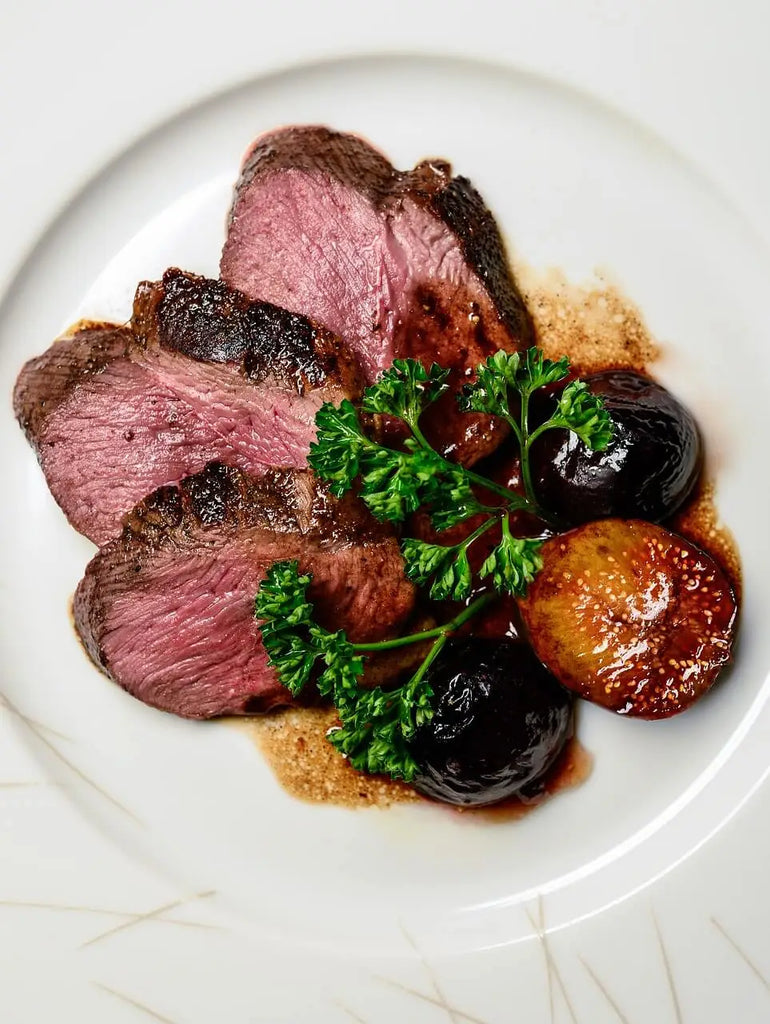
Enjoy your Bandol red wine with a delicious duck breast!
What are the best Bandol wines?
When it comes to the best Bandol wines, Domaine Tempier stands out as a must-try reference. Located just a stone’s throw from the Mediterranean, this family estate has embodied the viticultural excellence of the appellation for generations.
Having managed to preserve and enhance its wine heritage over the centuries, it is known for its powerful and structured red wines, made largely from the Mourvèdre grape variety. Nevertheless, don’t overlook their gastronomic rosé as well as their elegant white…guaranteed pleasure !
If you want to discover this wine treasure that is Bandol, don’t hesitate to visit La Cave Éclairée ! There you will find a precise and meticulous selection of cuvées offering you an unforgettable tasting experience. Cheers!


