

On the right bank of the Bordeaux vineyard, Saint-Émilion and Pomerol are among the most famous and sought-after appellations in the world. Located just a few kilometers apart, they share several similarities and are therefore often compared.
However, this proximity should not overshadow their distinct identities, shaped in particular by their terroirs, grape varieties, and the unique history of each AOC.
So, Saint-Émilion or Pomerol: which wine should you choose? What are the real similarities and differences between these AOCs? How can you know which one will best suit your tastes, your budget, or the occasion?
In this guide, we will compare these two major Bordeaux references to better understand their character and help you make your choice.
Contents
Saint-Émilion and Pomerol: similarities and differences
Saint-Émilion and Pomerol share many similarities. Located just a few kilometers apart on the right bank of Bordeaux, the two appellations produce exclusively red wines and give a predominant place to Merlot, generally blended with Cabernet Franc and Cabernet Sauvignon.
Their geographical proximity should not overshadow their differences. Vineyard size, soil type, classification of Crus, and even price levels allow for a clear distinction between the two AOCs.
| Criterion | Saint-Émilion | Pomerol |
|---|---|---|
| Region | Bordeaux, right bank | Bordeaux, right bank |
| Vineyard size | 5,400 hectares | 800 hectares |
| Main grape varieties | Merlot, Cabernet Franc, Cabernet Sauvignon | Merlot, Cabernet Franc, Cabernet Sauvignon |
| Wine style | Highly diverse: from elegant and fresh wines to more structured and powerful cuvées | Often fleshy, deep, and silky, with expressions that can also be very refined |
| Terroir | Limestone, clay, gravel, sand | Clay, gravel, and sand, with areas rich in iron oxides |
| Classification | Saint-Émilion Grand Cru Classé classification | No classification |
| Aging potential | From a few years to several decades | From a few years to several decades |
| Price range | Very wide price range | Higher average price |
Two neighboring terroirs, two distinct identities
Despite their geographical proximity, Saint-Émilion and Pomerol are based on significantly different terroirs.The nature of the soils, topography, distribution of grape varieties, and even the exposure of the plots all contribute to creating a great diversity of wines in this part of the right bank of Bordeaux.
Saint-Émilion Terroir
It is impossible to sum up Saint-Émilion with just one type of soil. Its vineyard forms a true mosaic, dominated in particular by the famous limestone plateau surrounding the historic town, as well as clay-limestone slopes, a terrace of siliceous-clay gravel, and sandier, gravelly areas towards the Dordogne. This diversity is one of the appellation’s greatest assets.
In Saint-Émilion, Merlot is by far the predominant grape variety. It is generally accompanied by Cabernet Franc. Less predominant, Cabernet Sauvignon is used to complete certain blends.
Limestone-based areas are often associated with wines that are more taut and precise, while clay-rich soils can promote greater volume and depth. Gravel and sand bring yet other expressions, which partly explains the significant diversity of Saint-Émilion wines.
 Saint-Émilion: a mosaic of terroirs enhanced by Merlot
Pomerol Terroir
With only 800 hectares, compared to nearly 5,400 in Saint-Émilion, Pomerol has a much more exclusive profile. Despite its smaller area, the appellation is home to some of the most sought-after châteaux in Bordeaux.
The vineyard combines gravel, sand, and above all, various types of clay soils, including the famous blue clays found in certain parts of the plateau. The subsoil also contains deposits rich in iron oxides, locally known as "crasse de fer", which contribute to the unique geology of the AOC.
Even more so than in Saint-Émilion, Merlot reigns supreme here as well and finds particularly favorable conditions for its development in the local soils. The Cabernets, meanwhile, play a complementary but marginal role in the blends.
This strong presence of Merlot, combined with the unique characteristics of Pomerol's soils, helps produce wines renowned for their depth and texture, while still allowing the best terroirs to also express great elegance and freshness.
The wine styles of Saint-Émilion and Pomerol
As mentioned, Saint-Émilion and Pomerol are largely based on the same grape varieties, but they do not offer the same tasting experience. The nature of the land, the vintage, and the work of each estate all have a significant impact on the final aromatic profile.
The style of Saint-Émilion wines
Saint-Émilion stands out above all for the diversity of its styles. The appellation is not limited to prestigious age-worthy wines : you will also find simpler, softer wines that are immediately fruity, and meant to be enjoyed while young. At the other end of the spectrum, some cuvées offer greater concentration, depth, and structure, with significant aging potential.
This diversity is mainly due to the variety of terroirs between plots, as well as differences in blending and winemaking choices. Merlot generally brings roundness, fruitiness, and suppleness, while Cabernet Franc can enhance freshness, finesse, and aromatic complexity. Less commonly used, Cabernet Sauvignon sometimes adds structure to certain blends.
Aging is another key factor. Some blends are designed to showcase immediate fruit expression, with relatively subtle aging, while the most ambitious wines often spend several months in oak barrels. When well integrated, the wood can add more volume and complexity, as well as notes of cedar, spices, vanilla, or roasting.
With a few years of aging, the Grands Crus of Saint-Émilion and the most ambitious cuvées can develop tertiary notes reminiscent of undergrowth, truffle, tobacco, or leather, while gaining in elegance.
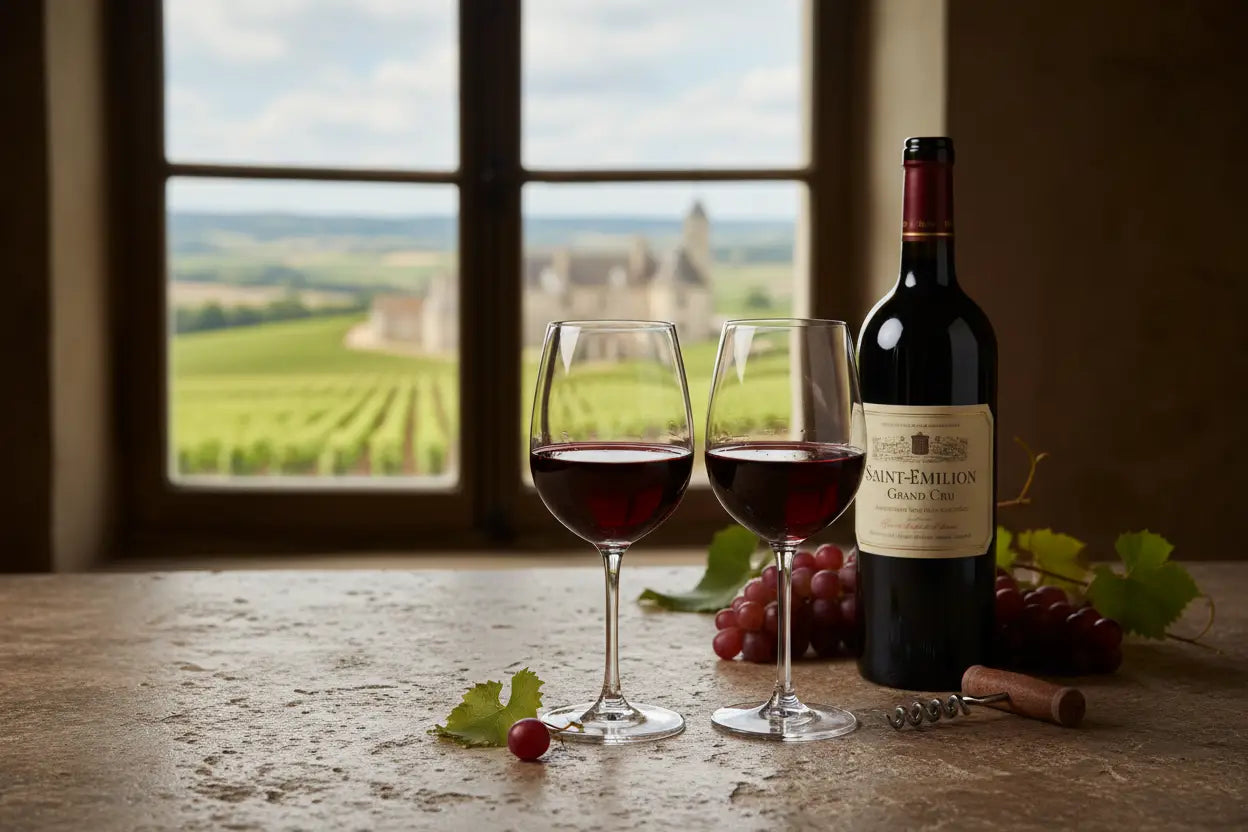 Saint-Émilion reveals a wide range of styles
The style of Pomerol wines
In Pomerol, styles differ less than in Saint-Émilion. Merlot plays an even more central role and often gives rise to deep, fleshy, and particularly silky wines on the palate. The appellation is renowned for its sense of volume and velvety texture, but its best wines also manage to retain plenty of freshness, precision, and finesse.
In their youth, Pomerol wines can offer aromas of plum, black cherry, blackberry, or violet, accompanied, depending on the cuvée, by hints of spice, cocoa, or coffee. Aging, often done in oak barrels, also contributes to the wine's texture and complexity.
Over time, the finest cuvées gain depth and develop more mature notes of truffle, undergrowth, tobacco, or leather. The strength of Pomerol lies in its ability to combine richness, sensual texture and elegance, without necessarily falling into an excessively powerful style.
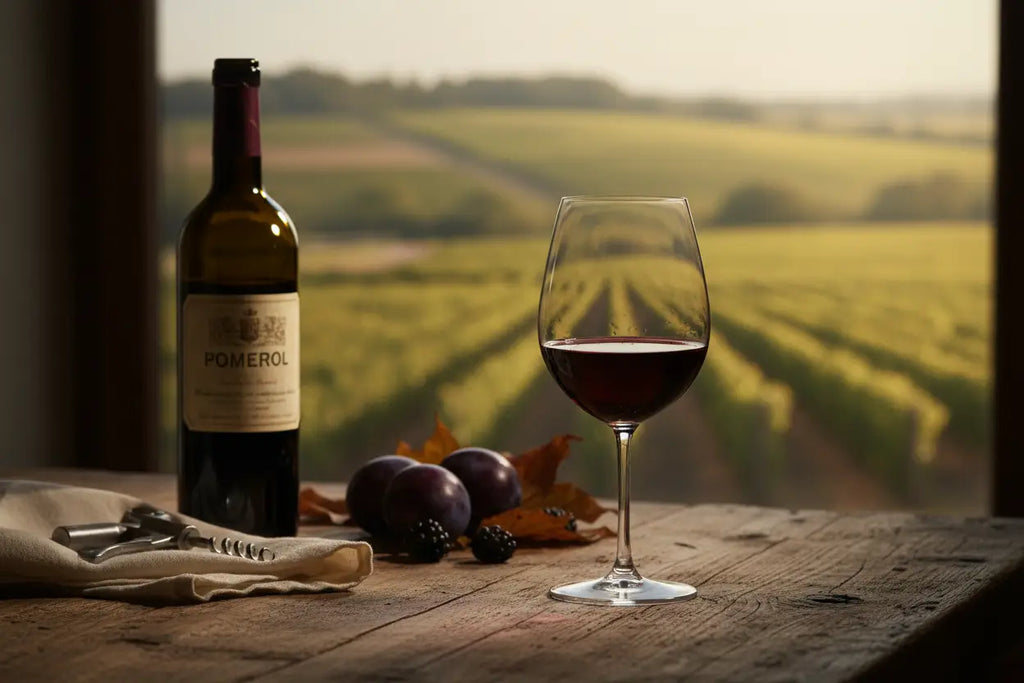 Pomerol reveals silky, noble, and deep wines
Which wine should you choose based on your preferences?
Between Saint-Émilion and Pomerol, the choice mainly depends on the style of wine you are looking for. Both appellations can produce great wines for aging, but they do not always appeal for the same reasons.
Do you enjoy a diversity of styles? Choose Saint-Émilion
Saint-Émilion is particularly suited to those who appreciate a wide range of profiles. The AOC can offer both supple wines, fruity and approachable in their youth as well as deeper cuvées, structured and capable of evolving over many years.
This diversity allows you to choose according to your preferences, budget, or the occasion: a Saint-Émilion that is generous and accessible for a friendly meal, or a more expensive and ambitious Grand Cru for a tasting or long-term cellaring.
Looking for depth and texture? Turn to Pomerol
If you enjoy wines with a generous, silky, and enveloping texture, Pomerol is a benchmark choice. The strong presence of Merlot often results in fleshy and deep cuvées, while still allowing for plenty of finesse.
Great Pomerols thus combine richness and elegance, with velvety tannins and an excellent ability to age in the bottle. The AOC will particularly appeal to enthusiasts seeking a generous, complex wine with a strong personality.
What budget should you plan for a Saint-Émilion or a Pomerol?
Both AOCs cover a very wide price range, but Pomerol is on average more expensive, mainly due to the small size of its vineyard and the high demand for its most renowned estates.
- In Saint-Émilion, it is possible to find good bottles around 15 to 30€, while the Grands Crus and well-known châteaux are more often between 30 and 80€. Premier Grand Cru Classé wines can then easily exceed 100€, and even reach several hundred euros depending on the château and the vintage. The latest Saint-Émilion Grand Cru classification (2022) includes 85 classified estates.
- In Pomerol, the entry level is generally higher. You often need to expect to pay at least 30 to 50€ to start seriously exploring the AOC, then 50 to 150€ for many renowned estates. The most prestigious properties can reach several hundred, or even several thousand euros per bottle depending on the vintage.
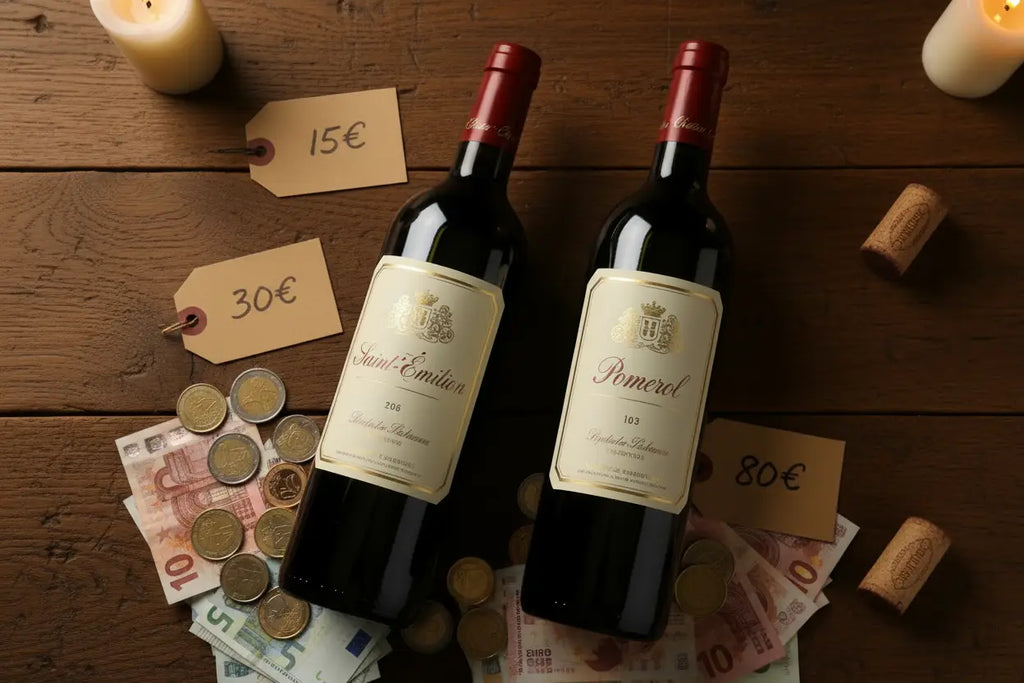
In summary
Saint-Émilion and Pomerol embody two major expressions of Bordeaux’s right bank.
Saint-Émilion stands out above all for the diversity of its terroirs, styles, and quality levels: from supple, fruity wines to structured Grands Crus Classés capable of aging for many years. Pomerol, more exclusive, is especially appealing for the depth, silky texture, and strong personality of its wines, often characterized by an even greater presence of Merlot.
When making your choice, it all depends on your tastes, the occasion, and your budget. Saint-Émilion generally offers more diversity, while Pomerol is particularly suited to lovers of deep, velvety, and complex wines.
To form your own opinion, discover the selection of Saint-Émilion and Pomerol from La Cave Éclairée, featuring bottles carefully tasted and chosen from trusted estates. See you soon!


