







Welcome to Pomerol, an iconic appellation of Bordeaux’s right bank! Here, the region’s vineyards and châteaux reveal deep, silky red wines as well as unique soils on which Merlot reigns supreme. Each bottle of Pomerol is an invitation to discover the history of a rare terroir, where power and delicacy meet in perfect harmony.
Whether you are passionate about Bordeaux wines or simply wish to deepen your knowledge of the Pomerol AOC and the right bank, immerse yourself in the fascinating world of this wine treasure and let each sip transport you. Happy reading !
Contents
History and origins of the Pomerol appellation
The origins of viticulture in Pomerol and on the right bank date back to Antiquity. Although few documents remain from that era, archaeological evidence indicates that vines were already present in the region during the 1st century BC. It was most likely the Romans who laid the foundations for the future Bordeaux vineyards. However, the Pomerol area was then marshy and generally not very suitable for vine cultivation.
In the Middle Ages, religious orders contributed greatly to the development of viticulture in Europe. The monks, particularly those of the Benedictine and Cistercian orders, indeed played a crucial role in the expansion of the Pomerol vineyard. They cleared and drained many plots to make them cultivable, also introducing advanced viticulture techniques.
Religious influence remained strong in the region until the French Revolution, and monasteries were often at the origin of the founding of wine estates, as indicated by the many château names still present today (Château L’Évangile, Clos L’Église, Château La Croix, etc.).
During the Renaissance, Pomerol’s viticulture continued to develop. The Bordeaux region became a key center for wine trade with England and Holland. However, unlike neighboring regions such as the Médoc, Pomerol had not yet acquired the reputation it enjoys today. Production remained relatively modest in volume, and Pomerol wines were still often associated with wines of lesser quality compared to their Saint-Émilion or Médoc counterparts. The first written records attesting to the trade of Pomerol wines also appear during this period, proving the beginnings of recognition for the quality of these wines.
During the 17th century, the Dutch also played a major role in the development of Pomerol, thanks to their marsh drainage projects which gradually allowed Pomerol to become a terroir suitable for quality viticulture.
In the 18th and 19th centuries, many prestigious estates were created: Château Pétrus, Château La Conseillante, Château Trotanoy, Vieux Château Certan, Château Gazin, and Château Clinet are among them. Nevertheless, the phylloxera crisis at the end of the century devastated a large part of French vineyards, including Pomerol, leading to a complete reorganization of the Bordeaux vineyards from the late 1870s.
The 20th century was ultimately the time of consecration for Pomerol, which then entered the circle of great Bordeaux wines. In 1936, the Pomerol appellation d’origine contrôlée (AOC) was officially created, helping to solidify the reputation of the region and the right bank wines.
Over the decades, Pomerol has built a worldwide reputation thanks to the quality of its wines, whose characteristics stand out clearly from other Bordeaux bottles by their roundness, suppleness, and concentration.
In the 1950s to 1970s, certain Pomerol châteaux, notably the prestigious Château Pétrus, then acquired an almost mythical status, attracting an international clientele.
Moreover, and unlike other Bordeaux appellations such as those of the Médoc, Pomerol has never had an official classification for its wines or châteaux. Yet, bottles from the appellation enjoy recognition that rivals that of classified growths such as Margaux or Pauillac.
Today, although covering only 800 hectares, the Pomerol appellation is one of the most prestigious AOCs in Bordeaux and enthusiasts snap up its wines, even as futures !

Map of Bordeaux wine appellations
Climate and soils of the Pomerol AOC
Just like the other appellations in the Bordeaux region, and like its neighbor Saint-Émilion, the Pomerol AOC benefits from a temperate oceanic climate, characterized by mild winters and warm summers. Rainfall is evenly distributed throughout the year, although autumns are often wetter.
These climatic conditions ensure adequate hydration for the vines, essential for the development of grape varieties such as Merlot, Cabernet Franc and Cabernet Sauvignon, which thrive in the region.
Pomerol also stands out for the diversity of its soils. Here are the main types of terroir found in the appellation :
- Blue clay : The Pomerol AOP is the only one in the Bordeaux region to have blue clay in its subsoil. Also called " clay outcrop ", it is notably present in the Pétrus terroir and gives Pomerol red wines a unique roundness and superb aromatic power. Merlot is particularly well suited to this iron-rich terroir.
- Fine gravel : terroir found in the southeastern part of the appellation, in châteaux such as La Conseillante or Vieux Château Certan. The gravel provides ideal drainage conditions, promoting even ripening of the grapes. These soils produce elegant, aromatic, and refined wines.
- Sandy clays : These soils are more common on the outskirts of Pomerol and are mixed with gravel. They produce wines that are a little more supple and accessible in their youth, with lighter but still balanced and flavorful tannins.
- Gravelly clays : A mixture of clay and gravel is found in some central and southern areas of Pomerol, providing excellent water retention for optimal grape ripening. Wines from these terroirs often have great structure and good aging potential.
- Sandy soils : mainly located on the northern outskirts and east of the appellation, these terroirs produce lighter, fruitier wines, often accessible in their youth, and with less pronounced aromatic intensity than wines grown on clay or gravel soils.
As you can see, each terroir here brings a unique expression to Merlot and the other grape varieties of the appellation, allowing estates to create wines with varied styles, while remaining true to the identity of Pomerol.

Map of Pomerol terroirs: richness and diversity of soils
The wines of the Pomerol AOC
The wines of the Pomerol AOC are exclusively red, as the production of white wine is not permitted in the appellation. The AOC’s cuvées are also made from three main grape varieties: Merlot, Cabernet Franc, and Cabernet Sauvignon.
Merlot accounts for about 80% of production and gives local wines their velvety character, deep red and black fruit aromas, and a lovely roundness on the palate.
Cabernet Franc accounts for about 15% of plantings and enriches the blend with spicy notes and hints of violet.
Finally, Cabernet Sauvignon, making up about 5% of plantings, brings a touch of structure and tannins, ensuring good aging potential.
With this blend (Merlot, Cabernet Franc, and Cabernet Sauvignon), Pomerol wines offer a unique tasting experience: a deep red color, captivating aromas of violet, black fruits, and a silky texture. When young, they are rich and powerful but already approachable. Over time, their aromas develop in complexity (notably truffle), and their structure becomes more unctuous and velvety…a delight !
The crus of Pomerol are among the most sought-after wines in Bordeaux. Their exceptional quality easily rivals that of the great names of Saint-Émilion and the Médoc.
Due to their rarity and quality, these bottles are now often sold at a premium! Unlike Saint-Émilion, Pomerol also has no official classification, which adds a special charm to this appellation, where each estate shines on its own merit.
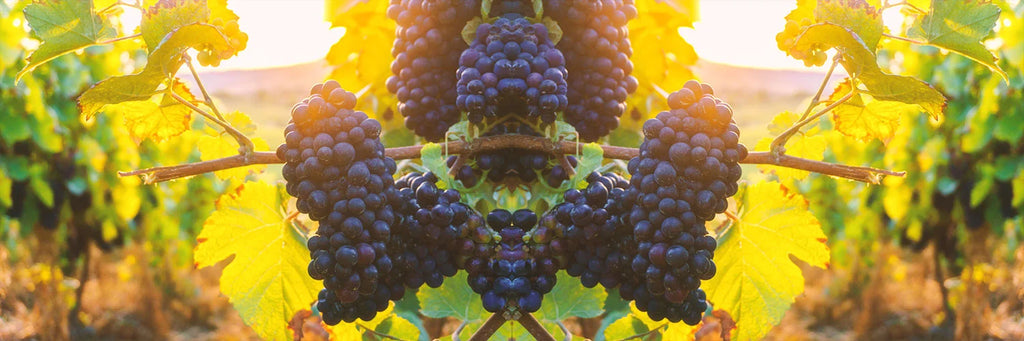
Merlot: The king grape of Pomerol red wines
What to eat with a Pomerol wine?
You are surely curious to discover the different dishes that can be paired with Pomerol red wine! As you will see, it is a perfect match for red meats and saucy dishes.
To enhance your tasting experience, here are some food and wine pairing suggestions that will highlight the finesse of this Bordeaux gem.
Red meats : the timeless pairing
- Pork tenderloin with truffles: the richness and earthy aromas of Pomerol red wines pair wonderfully with this dish. The truffle notes amplify the depth of the wine, creating a true symphony of flavors that will delight your taste buds. This pairing highlights the velvety and aromatic character of these Bordeaux wines.
- Rib of beef : the meaty texture of rib of beef pairs perfectly here with the tannic structure of Pomerol wines. The combination of the fat in the meat and the power of the wine is a must for red meat lovers. This dish showcases the richness and depth that so well characterize Bordeaux wines, especially those from the right bank.
- Roast rack of lamb : the silky tannins of Pomerol red wines soften the richness of roast lamb. This rustic and flavorful dish, accompanied by seasonal vegetables, allows you to fully appreciate the subtle nuances and deep aromas that only Bordeaux wines can offer.
Game and poultry
If you prefer poultry, consider pairing your Pomerol with duck à l’orange. The fruity and slightly spicy notes of this wine, from Merlot but also Cabernet Franc and Cabernet Sauvignon, harmonize beautifully with the sweet and tangy orange.
Game and stews are also great pairings to try!
Mature cheeses
White wines are generally a better match for cheeses. However, let yourself be surprised this time! Pomerol wines and bottles pair beautifully with cheeses, especially those made from aged sheep’s milk.
Their salty flavors and delicate aromas combine with the nuances of Pomerol to enhance its fruity and earthy notes. A pairing that highlights all the subtlety of this exceptional wine.
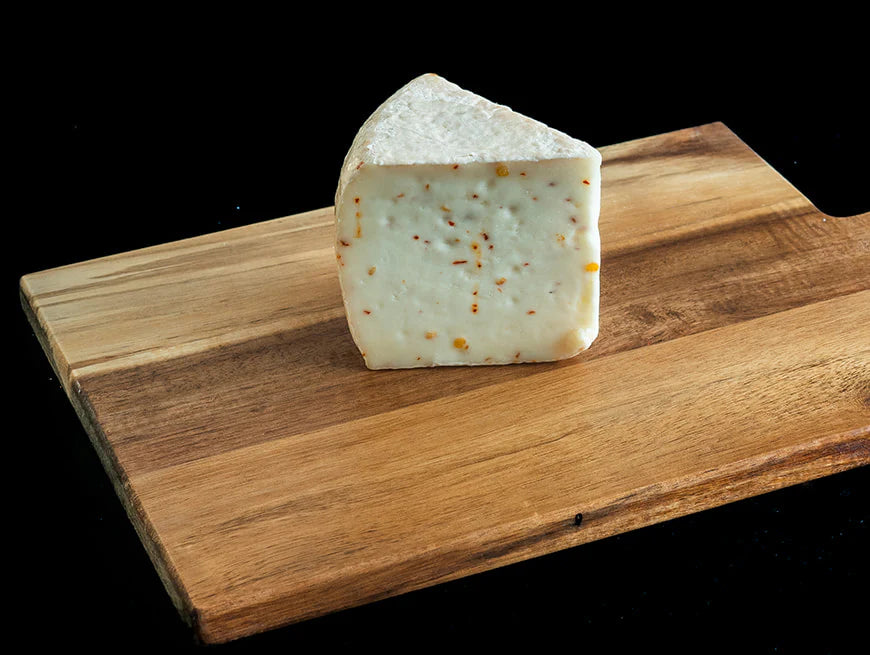
Pomerol and aged sheep’s cheese: a delicious pairing
To fully enjoy the aromas of your Pomerol, I recommend serving it between 16 and 18°C. Also, do not hesitate to decant your wine for an hour or two before tasting... especially if you drink it young! This will help reveal all its aromatic complexity.
The best wines of the Pomerol appellation
Renowned for its high-quality red wines, the Pomerol appellation is home to a multitude of prestigious châteaux and wine estates. Among them, Château de Valois stands out as a true benchmark.
The Leydet family vineyard is ideally located between two famous appellations: the Saint-Émilion AOC, home to Château Leydet-Valentin, and the Pomerol AOC, with Château de Valois.
The red wines of this château are mainly composed of Merlot, judiciously blended with a touch of Cabernet Franc. Certified organic since 2012, Château de Valois is also committed to producing superior quality wines that embody the very essence of the Pomerol appellation.
We highly recommend their bottles and their great wines !
As you can see, the Pomerol AOC embodies the perfect alliance between tradition and prestige at the heart of Bordeaux’s great wines. So let yourself be tempted by a red wine from this emblematic appellation by exploring the selection of La Cave Éclairée and enrich your cellar with this wine treasure from the right bank !
Also, don’t hesitate to explore wines from other left bank appellations such as those of the Médoc (Margaux, Pauillac) or Graves (Pessac-Léognan), we have a fine selection at always fair prices !
So, which bottles will you choose ?


