
When we think of Provence wines, we immediately picture a fresh, light rosé, accompanied by the warmth of the sun. But behind this classic image, this beautiful region actually hides wines with varied character and a great diversity of appellations. Among them, the Palette AOC stands out for its authenticity and discretion. Nestled on the hillsides of Aix-en-Provence, north of Marseille, this exclusive appellation is appealing for its rarity and the complexity and originality of its wines, whether red, white, or rosé.
Does this make you want to discover more? Then, follow the guide and get ready to explore Palette, its terroirs, and its wines!
Contents
History of the Palette appellation
To speak of Palette is to evoke a terroir where history and the vine have been intertwined since Antiquity. The Greeks, founders of Massalia, indeed introduced vine cultivation around Aix around 600 BC. The Romans then perfected viticultural methods and spread Provençal wines throughout their empire.
In the Middle Ages, the lands came under the management of local lords and monastic communities. The monks, true pioneers of viticulture, played a decisive role: they perfected pruning, winemaking, and preservation methods, while ensuring the diversity of grape varieties suited to the stony soils and Mediterranean climate.
In the Renaissance, the local vineyard benefited from its proximity to Aix-en-Provence, then the capital of the Parliament of Provence and a vibrant intellectual center. The local elites, magistrates, and notables sought fine wines for their receptions, and those from the region were already appealing for their uniqueness. Regional archives mention renowned wines in the Aix region, served at banquets and official ceremonies.
Although it appeared as early as the 15th century, the term "Palette" would only truly become established from the 19th century, when certain families (notably the Rougier family from Château Simone) highlighted the uniqueness of the locality.
Also in the 19th century, the phylloxera crisis, which devastated almost all European vineyards, also affected Provence. In Palette, the vines survived thanks to the determination of passionate families, who replanted in the following years to revive their terroir.
It is in this context that Château Simone established itself as the emblematic estate of the appellation, forging a reputation for excellence. More recently, other properties, such as Château Henri Bonnaud, have joined this positive momentum and also contribute to the renown of Palette.
In 1948, Palette officially obtained its AOC status, definitively sealing the recognition of this small, exceptional vineyard made up of around fifty hectares. Please note that only 4 independent estates and a single cooperative winery are present in the area!
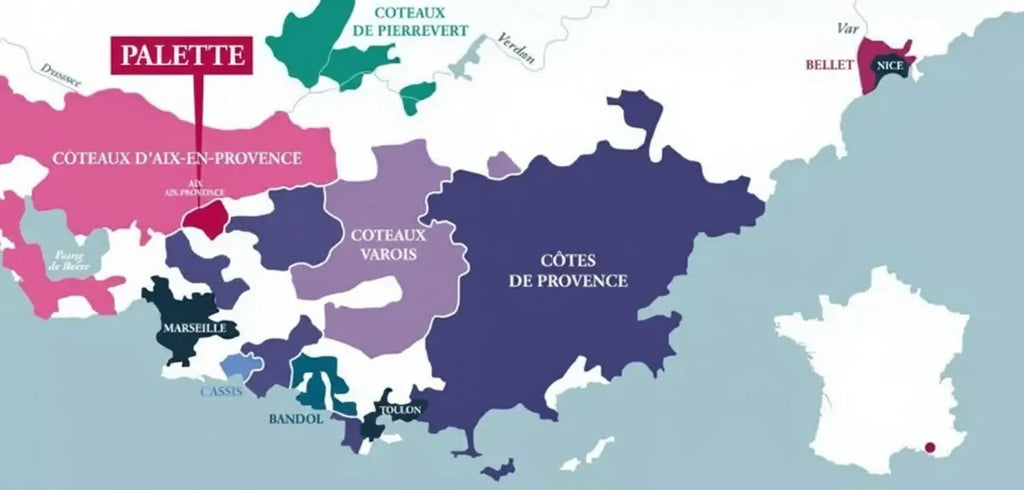 Palette AOC within the Provence vineyard
Soils and climate of the Palette AOC
The unique identity of Palette is above all based on its exceptional terroir. The soils are mainly composed of limestone, marl, and rolled pebbles, a mosaic that requires the vine roots to penetrate deeply in order to draw out a subtle minerality.
The vines are also mostly facing due south or southwest, which gives them optimal sunlight while benefiting from the protection of the Sainte-Victoire mountain. Moreover, the vineyard is largely situated in an amphitheater on hillsides, which promotes natural soil drainage and prevents excess moisture.
Finally, the Provençal climate enhances the uniqueness of the wines: generous sunshine, the mistral wind purifying the vineyard, and cool nights preserving the grapes’ natural acidity are all decisive factors. This perfect balance produces perfectly ripe fruit, resulting in powerful and refined reds, distinguished whites, as well as elegant and deep rosés.
The style of Palette wines
The Palette appellation is one of Provence’s most exclusive treasures. Located on hillsides near Aix, it stands out for the diversity of its grape varieties and the quality of its wines.
Despite its small size, Palette offers all three colors for tasting: powerful reds, distinguished whites, and structured rosés. Each type of wine expresses its own unique personality.
Palette red wines
Palette reds account for more than half of the appellation's production. Full-bodied and deep, they usually display a beautiful aromatic complexity. Even in their youth, they reveal notes of dark fruits, garrigue, and spices typical of Provence. After a few years of aging, they develop nuances of leather, truffle, and undergrowth.
In terms of grape varieties, Grenache, Mourvèdre and Cinsault predominate, often accompanied by Syrah and Carignan. This combination produces elegant yet robust reds, perfect for aging and developing over time. Their tannic structure is pronounced but balanced by a freshness that truly reflects the terroir of the Palette hillsides.
Palette white wines
Palette whites are the pride of the appellation. Their reputation indeed extends far beyond the borders of Provence. Mineral, distinguished and elegant, they captivate with their aromatic richness. On the palate, one often finds aromas of white flowers, citrus fruits, white-fleshed fruits, and, after a few years, notes of honey and dried fruits.
The most commonly used white grape varieties are Clairette (white and pink), Bourboulenc and Muscat, sometimes complemented by Picardan, Grenache Blanc, or Ugni Blanc. This unique ampelographic heritage allows for the production of well-balanced white wines, both fresh and generous, with excellent aging potential and great minerality. These are wines that surprise with their complexity and length on the palate.
Palette rosé wines
Finally, it is impossible to talk about Provence without mentioning its rosés. Nevertheless, those from the Palette AOC may surprise you!
Indeed, contrary to the image of pale and light Provençal rosé, here it is built around true structure and great aromatic depth. While it retains the expected freshness, it also reveals a marked intensity that can sometimes bring it closer to a light red, both in terms of color and aromas. Gastronomic rosés indeed!
Note that the grape varieties used for the rosés are the same as for the reds.
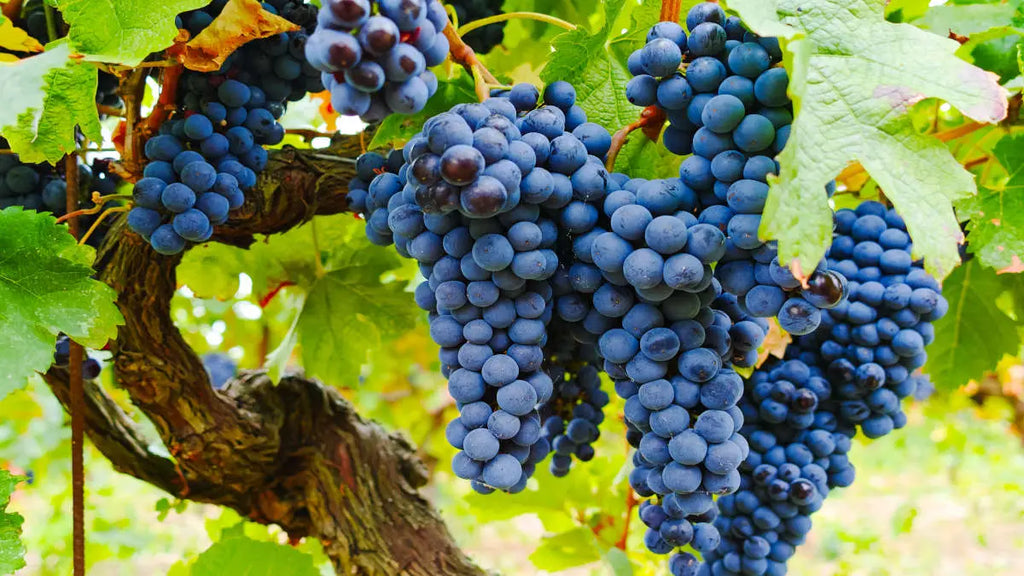 Grenache noir, the flagship grape variety of the Palette AOC
What to eat with a wine from the Palette AOC ?
It is impossible to talk about Palette wines without mentioning gastronomy! Enjoying such a wine without pairing it with a suitable dish would mean missing out on the experience...
With Palette reds
The red wines of the Palette appellation have a strong personality: full-bodied, deep, and with a beautiful tannic structure. They therefore pair perfectly with dishes rich in flavor. Imagine a Provençal stew, a roast leg of lamb with Provence herbs, or even a fragrant game stew. The power and warmth of these wines will perfectly balance the richness of the sauces and the tenderness of the meats.
We recommend serving them between 16-18°C to enhance their qualities.
With Palette whites
Palette whites are among the rarest and most sought-after wines of Provence. To accompany them, nothing is better than cuisine that highlights finesse and delicacy. Thus, a grilled fish simply enhanced with a drizzle of olive oil, pan-seared scallops, or even shellfish served as carpaccio or a creamy risotto will be perfect choices.
The complexity of the white wines from the appellation also allows them to pair deliciously with a herb-roasted poultry or a matured goat cheese.
We recommend serving them at 11-13°C.
With Palette rosés
In general, Provence rosés are associated with light appetizers. Nevertheless, those from the Palette appellation are gastronomic rosés and allow for other pairings. With a beautiful structure, they will pair very well, for example, with couscous, barbecued grilled meats, or even Mediterranean dishes flavored with sun-ripened vegetables.
The rosé wines of Palette also know how to accompany slightly spicier dishes, such as seafood paella or spicy cuisines, without ever being overpowered. They remain fresh, while offering plenty of character.
We recommend here a serving temperature between 10-12°C.
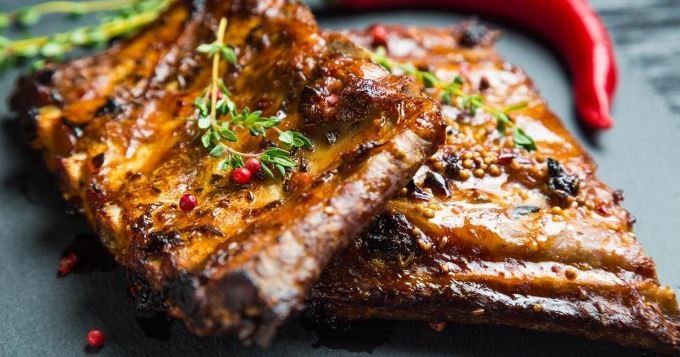 Delicious grilled dishes on the barbecue, perfect with Palette rosés
The best wines of the Palette AOC
It is impossible to mention the Palette AOC without talking about its legendary references. And at the top of the list, we naturally find the famous Château Simone. An icon of the appellation, this estate has existed since 1830 and has since been managed by the Rougier family. They produce cuvées here with remarkable consistency and elegance.
The red wine from the estate, dominated by Grenache, Mourvèdre, and Cinsault, stands out for its depth and structure, offering aromas of black fruits, garrigue, and spices, which will evolve over time towards notes of leather, truffle, and undergrowth.
The white, meanwhile, is considered one of the greatest white wines of Provence. Made mainly from Clairette, it delights with its balance between richness and freshness, with aromas of white flowers, citrus, dried fruits, and honey, and an exceptional aging potential.
Finally, the rosé from Château Simone stands out for its structure and depth: made from the same grape varieties as the red, it combines freshness, aromatic intensity, and complexity, to the point of sometimes rivaling a light red.
Alongside Château Simone, other estates are also present in the AOC, such as Château des Trois Sautets, Château Crémade, and Château Henri Bonnaud.
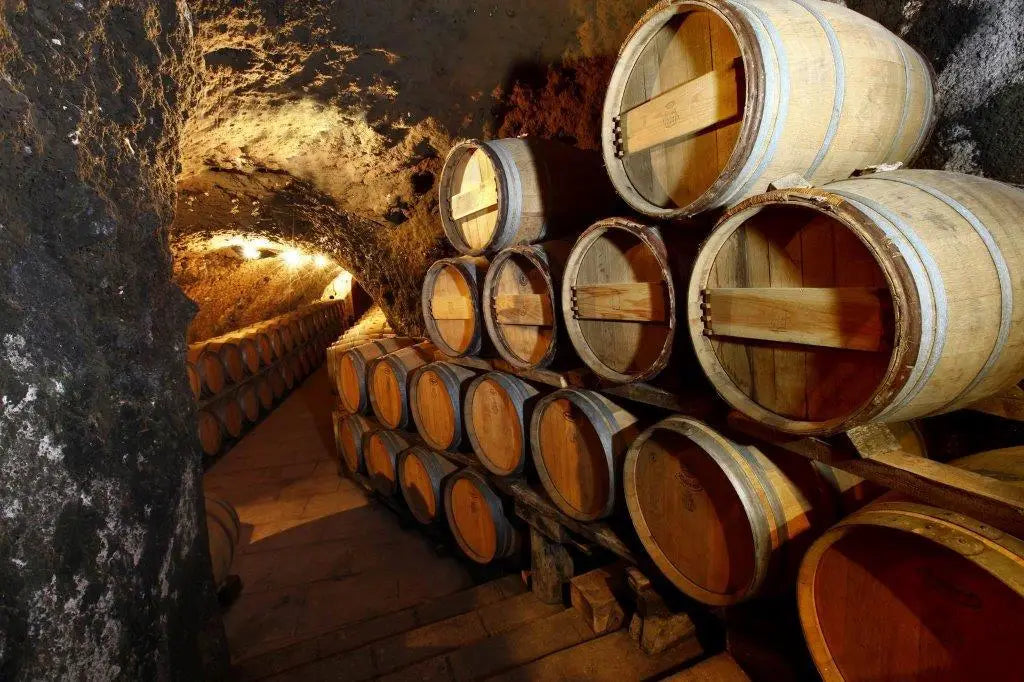 Château Simone' cellar, an iconic figure of Palette wines
As you will have understood, the Palette AOC is a true hidden gem of Provence. Supported by a thousand-year-old history, a unique terroir, and exceptional cuvées, it appeals to both enthusiasts and amateurs seeking new discoveries. Its deep reds, elegant whites, and structured rosés offer an astonishing diversity, each revealing a unique and refined identity.
And you, have you ever had the chance to taste a Palette wine? Do you prefer the intensity of a red, the finesse of a white, or the liveliness of a characterful rosé?
After such a journey, it is hard to resist the urge to welcome a bottle of Palette into your cellar! To prolong the experience and enrich your collection, discover the cuvées from Château Simone offered by La Cave Éclairée: real gems that will enhance your most beautiful moments!


