

When we talk about the Burgundy vineyard, it is often the prestigious major appellations of the Côte de Beaune and the Côte de Nuits that come to mind, with their legendary grands crus and overpriced bottles. However, a little further south, the Côte Chalonnaise is home to real gems. Rully is the perfect example: a discreet AOC but offering wines of great elegance that captivate from the very first sip. Here you will find fresh and vibrant white wines, charming reds, and estates offering cuvées with excellent value for money for the region.
So, ready to explore Rully? Let's go!
Summary
History of the Rully appellation
In order to trace the origins of the vine in Rully and its surroundings, we must go back to Antiquity. At that time, the Romans indeed settled in the southern part of Burgundy and planted the first vines there. The local landscapes, with well-exposed hillsides and a temperate climate, truly make the region an ideal place for viticulture. The village was then called Rubiliacum or Rulliacum.
In the Middle Ages, after the fall of the Roman Empire, vine cultivation developed thanks to the monks. In Burgundy, the abbeys of Cluny and Cîteaux were the two main organizing forces of the vineyard. During this period, the monks perfected cultivation methods and identified the best terroirs. Here we find the beginnings of the concept of "climate", which in the 20th century will lead to a precise division of the Burgundy vineyard between regional AOCs, communal AOCs, Premier Crus and Grand Crus.
During the modern period (16th–18th centuries), viticulture in Rully continued to develop. Written records indicate in particular that Louis XIII is said to have received in 1629 a gift of 22 feuillettes (barrels) of Rully wine from the city of Chalon-sur-Saône.
The 19th century marks a technological turning point with the arrival of modern winemaking techniques. Producers in the region also drew inspiration from the Champagne method, thus giving birth to the first sparkling wines of Burgundy. Rully thus becomes one of the birthplaces of Crémant de Bourgogne, as early as the 1820s–1830s.
At the end of the 19th century, the phylloxera crisis (a pest imported from the United States that attacks vine roots) nearly wiped out the vineyard completely. Fortunately, grafting European grape varieties onto American rootstocks resistant to the insect allowed the vineyards to survive. Other diseases, as well as the consequences of the First World War, also impacted the vineyards of Rully and Burgundy.
Nevertheless, despite this difficult context, signs of hope appeared. In 1939, the Rully appellation was officially created, recognizing the quality and potential of the village’s terroirs. A few years later, in 1943, several climates of the AOC also obtained Premier Cru status. However, World War II would once again interrupt the winegrowing momentum.
From the 1950s onwards, a true movement of revival began. Several winemaking families, deeply attached to their land, decided to relaunch viticultural activity. Among them, names such as Brelière, Jacqueson or Dureuil stand out. At the same time, mechanization became widespread and both oenology and hygiene made significant progress.
In the 1980s-1990s, Rully began a qualitative renaissance and by the end of the 20th century, the vineyard reached nearly 300 hectares planted, including 23 climates classified as Premier Cru. The image of the appellation is changing: from a discreet and struggling village, Rully is becoming a name that matters, supported by committed winemakers and a quality recognized both in France and internationally. This century of struggle and reconstruction profoundly transformed Rully, which entered the 21st century with a strong identity and a rapidly rising reputation.
Today, the Rully AOC covers approximately 360 hectares, planted with 65% Chardonnay and 35% Pinot Noir in the communes of Rully and Chagny. Alongside neighboring villages such as Mercurey, Bouzeron, or even Beaune, Rully fully asserts its place in the Burgundy wine landscape.
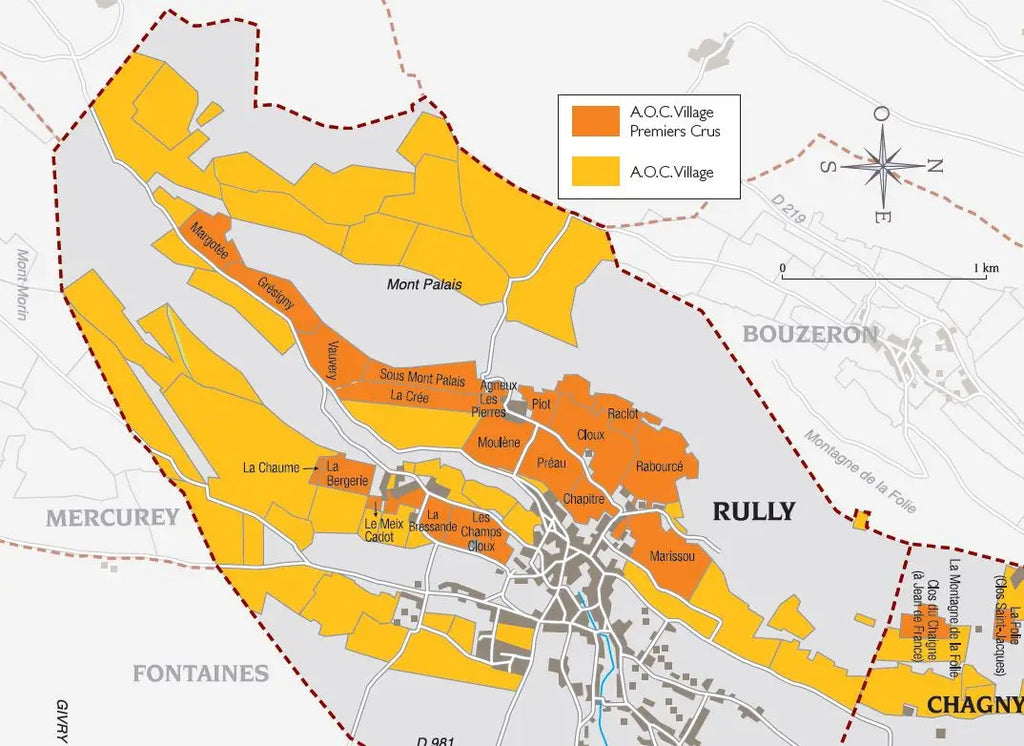
Map of the Rully appellation
Soils and climate of the Rully appellation
Located in the north of the Côte Chalonnaise, between Bouzeron and Mercurey, the Rully vineyard elegantly embodies the richness of Burgundy wine country.
The Rully AOC thus extends over hilly terrain between 230 and 300m in altitude, where the mosaic of climates shapes the unique identity of each wine. Among them, certain names resonate as promises of quality, such as Chapitre, Rabourcé, Grésigny and Les Préaux. These lieux-dits, classified as Premier Cru, illustrate all the richness of the appellation, one of the most attractive in the Côte Chalonnaise.
The soils of the Rully appellation also reveal a remarkable geological diversity. On the heights, the clay-limestone soils give the white wines a vibrant minerality, ideal for enhancing Chardonnay. Lower down, the deeper and clay-rich terroirs promote concentration, notably offering red wines made from Pinot Noir that are fruity, indulgent, and endowed with a refined structure. The red wines of Rully, often overshadowed by those of Beaune or Mercurey, therefore truly deserve their place on the finest tables.
Finally, the semi-continental climate also plays a central role in the style of Rully wines. Here, winters are cold but generally dry, and summers, while sunny, are not excessive, allowing for a slow and balanced ripening of the grapes.
Wines from the Rully AOC
Rully is a dual-faceted AOC. In fact, it produces about 65% white wines made from Chardonnay, and 35% red wines made from Pinot Noir. Here is an overview of what awaits you during tasting.
The white wines of the Rully AOC
The white wines of Rully are true gems, often acclaimed by lovers of expressive and distinguished Chardonnay. In this appellation, this quintessential Burgundy grape variety finds an ideal place for expression, between white marls and clay-limestone soils.
The result: bright whites, with remarkable freshness, revealing subtle aromas of citrus and white flowers, sometimes enhanced by notes of hazelnut or honey after a few years of aging. On the palate, these wines are both taut, generous, and display beautiful mineral precision, a true reflection of the Rully terroir. Often aged in barrels, they also offer slightly buttery and vanilla notes.
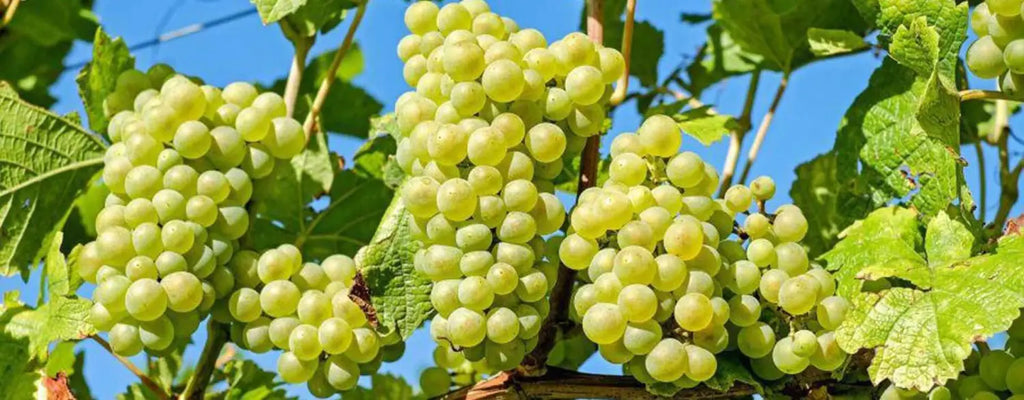
Chardonnay, iconic grape variety for Rully and Burgundy white wine
The red wines of the Rully AOC
Less well-known than the reds from its southern neighboring appellations, Mercurey and Givry, or even those from the renowned appellations of the Côte de Beaune or the Côte de Nuits, Rully reds nevertheless deserve your full attention.
These charming and indulgent Pinot Noirs offer a lovely crisp fruitiness (cherry, raspberry, strawberry) as well as a spicy note, all supported by fine tannins. The geographical location of the appellation indeed allows the vineyard to produce red wines that are generally more warm than those from the north of Burgundy, while maintaining balance and finesse.
What to eat with a wine from the Rully AOC?
A Rully wine is already a pleasure on its own. But when paired with the right dish, it can then fully express its finesse and reveal the richness of its terroir. As is often the case in Burgundy, the art of pairing relies less on power than on balance, subtlety, and the accuracy of flavors.
So, what should you choose to best accompany a Rully white or a Rully red and enhance every sip?
With the white wines of the Rully appellation
With a Rully white, the pairings are as numerous as they are delicious. Seafood lovers will be delighted: a fresh seafood platter, some plump oysters or just-seared shrimp will beautifully highlight the freshness and minerality of this type of wine.
With their beautiful tension and aromas of white flowers and citrus, the white wines of the Rully AOC also pair perfectly with fine fish, whether grilled or topped with a creamy sauce. A fillet of sea bream, salmon cooked on one side, or cod with herbs will also be excellent partners for a fine Rully Chardonnay.
Finally, Burgundy’s signature dishes are not to be forgotten. A Bresse chicken with cream and morel mushrooms is simply outstanding with a Rully Premier Cru white, indulgent and delicately oaked. And to extend the pleasure to cheeses, consider a matured Comté, a fruity Beaufort, or even a small aged goat cheese: the finesse of Chardonnay will perfectly complement their texture and flavors.
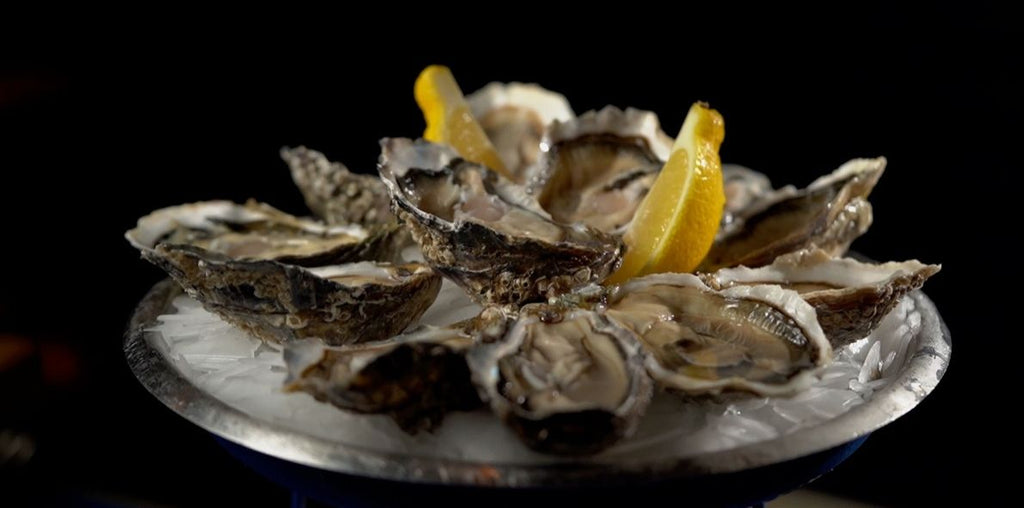
A Rully white "village", a few oysters...that's all it takes!
With the red wines of the Rully appellation
On the red side, Rully wines reveal a profile indulgent, fruity, with fine tannins and a warm structure. A Rully village will therefore very classically be paired with fine artisanal charcuterie, such as a typically Burgundian parsley ham, a dry sausage or a lightly peppered rosette.
With white meats, the pairing will be just as successful: a veal roast with herbs, a roasted turkey or a pork tenderloin with thyme will allow your bottle of red to show all its finesse, without ever overpowering the dish.
It is also possible to consider delicious vegetarian dishes with a Rully red. A creamy mushroom risotto, grilled vegetable lasagna, or a caramelized leek tart are all dishes that will echo the fruity smoothness and elegance of the reds from this appellation.
For cheese, you can opt for soft cheeses with a bloomy rind such as Brie or Camembert, but also for a well-aged Saint-Marcellin, whose creaminess pairs well with the delicacy of Rully red wine.
Finally, to fully enjoy every sip, remember to serve your Rully whites between 10 and 12°C to preserve their freshness, and your Rully reds slightly chilled, around 14 to 16°C, in order to reveal the finesse of their aromatic bouquet.
The best wines of the Rully AOC
Many renowned estates are found within the Rully AOC: Faiveley, Michel Juillot, Dureuil-Janthial, and Jean-Baptiste Ponsot are, for example, excellent choices.
Nevertheless, La Cave Éclairée would like to highlight its favorite here: Domaine Jaeger-Defaix. Managed by Hélène Jaeger‑Defaix, she took over an initial set of plots in 2002 on the Premier Cru Mont‑Palais, then expanded her property from 2005 to now reach 6 hectares, including 4.5 in Premier Cru (Mont‑Palais, Cloux, Rabourcé, Préaux, and the magnificent monopole Clos du Chapitre).
Certified organic since 2009, the estate practices soil-friendly viticulture (plowing, no herbicides), and manual harvesting. Both whites and reds are flawless, from the indulgent and delicious Rully village red to the more complex Premier Crus.
Excellent value for money, respect for the vineyard and faithful expression of the terroir: Domaine Jaeger-Defaix embodies all that the Rully AOC has to offer at its best. Not to be missed!
You are now well informed about the Rully AOC. This appellation, heir to an ancient history and a terroir carefully cultivated for many centuries, embodies all the elegance and finesse of the Côte Chalonnaise.Whether it’s its whites with floral and mineral notes or its delicate and fruity reds, Rully perfectly expresses the spirit of Burgundy, with an authenticity that remains accessible compared to the soaring prices of neighboring Côte d’Or appellations. So, why not extend this discovery through the selection of your favorite online wine merchant and let your taste buds judge for themselves? Cheers!


