

Imagine a picturesque village nestled in the heart of Burgundy, bathed in light and surrounded by majestic vineyards. Welcome to Givry, jewel of the Côte Chalonnaise, where every bottle of wine is steeped in history.
Thanks to this guide on the appellation, you will discover the winegrowing history of Givry, its terroirs, and its wines. So, are you ready to dive into the captivating world of this legendary French vineyard?
Summary
History of the Givry Appellation
Since the Gallo-Roman era, in the 1st century AD, the Romans introduced viticulture to Burgundy and the village of Givry. The latter prospered thanks to an ideal climate and clay-limestone soils perfect for vines. Of course, at the time, the wines were most likely intended for local consumption, but also for export to the nearest neighboring regions.
In the Middle Ages, viticulture developed even further in Givry and its surroundings, notably thanks to the influence of the Cistercian monks. During this long period, Burgundy was indeed strongly marked by the influence of the Church and religious orders who settled in the villages, notably in Saint-Vivant. These monks played a key role in spreading winemaking techniques as well as in the management and development of the vineyards.
In the 16th century, under the reign of Francis I, Givry gained real renown for its wines, which were now appreciated beyond the borders of Burgundy. It was notably during this period that Givry wines were introduced at the court of King Henry IV, who became a great enthusiast. At that time, Givry was nicknamed "the Volnay of the Chalonnais", a flattering comparison that illustrates its importance among the great red wines of Burgundy.
At the end of the 19th century, Givry's viticulture underwent several upheavals, notably the phylloxera crisis, a devastating insect attacking vine roots and decimating a vast part of the European vineyard.
In 1946, Givry finally obtained its status as Appellation d'Origine Contrôlée (AOC). This marked a major turning point for the village, thus becoming a fully-fledged winegrowing terroir, guaranteeing authenticity and control over the quality of its wines.
Today, the Givry appellation covers 310 hectares and is especially renowned for its red wines made from Pinot Noir. Nevertheless, a small part of the vineyard is also dedicated to white wine and Chardonnay. The appellation enjoys a fine reputation and is among the great names of the Côte Chalonnaise, although it is less well-known than some appellations of the Côte de Nuits or Côte de Beaune.
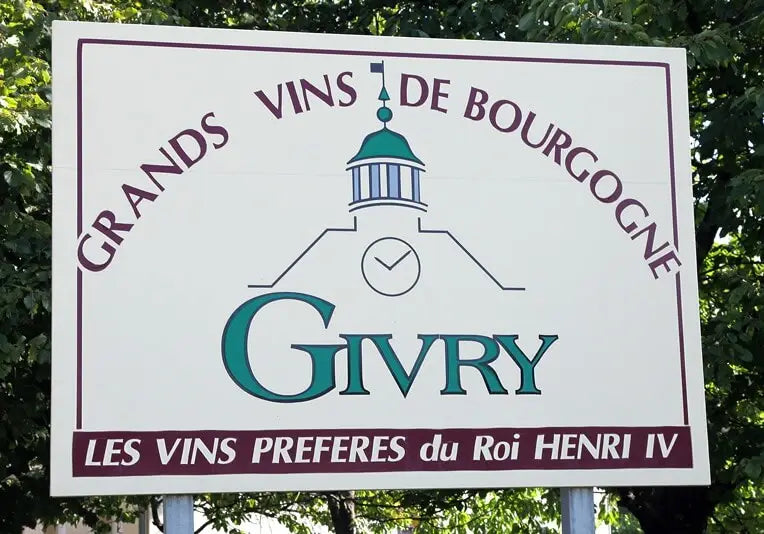
Henry IV had a preference for Givry wines
Soils and Climate of the Givry Appellation
The Givry vineyard benefits from an exceptional terroir. The soils, rich in limestone and Upper Jurassic marls, offer ideal conditions for the grape varieties Pinot Noir and Chardonnay. Located between 200 and 350 meters in altitude, these stony lands enjoy privileged sun exposure, thanks to their east and southeast orientation.
The climate, of the temperate continental type, also plays a key role in the balance and finesse of Givry wines. The hot summers allow the grapes to reach optimal ripeness, while the cold winters keep the vine at rest. The marked temperature variations in this Burgundy appellation also help develop complex and elegant aromas, found in both the red and white wines.
Moreover, the low occurrence of late frosts often ensures quality harvests.
The Wines of the Givry AOC
The Givry appellation is mainly distinguished by elegant, indulgent and fruity reds, which represent over 80% of production. The remaining 20% are fresh, indulgent and refined whites. These cuvées, from an exceptional terroir, seduce with their balance and authenticity. Moreover, Givry also remains an appellation where prices are more reasonable compared to the more northern part of Burgundy !
Givry Red
Made from Pinot Noir, Givry red enchants with its brilliant color, ranging from carmine to purple. It reveals on the nose and palate subtle aromas of violet, strawberry, and blackberry, enhanced by spicy and gamey notes.
These delicious wines often offer a lovely tannic structure in their youth, which softens over time to reveal admirable roundness and complexity.
Givry red wines, often acclaimed for their excellent value for money, are perfect both for everyday meals and for special occasions with the best cuvées. Indeed, while the simpler cuvées are meant to be enjoyed in their relative youth, the finest wines, especially the Premier Crus we will discuss below, can easily be kept for 10 to 20 years depending on the terroir and vintage.
Givry White
Givry whites, made exclusively from Chardonnay grapes, stand out for their pale gold color and invigorating freshness. These Burgundy white wines offer an aromatic bouquet combining white flowers, white fruits, honey, and citrus, and evolve over time towards notes of toasted dried fruits (almonds, hazelnuts, etc.).
On the palate, they harmoniously combine roundness and acidity, with remarkable length and an aging potential often between 5 and 8 years.
The Premier Crus of the Givry Appellation
The Givry appellation has 38 classified climats as Premier Cru, representing 46% of the AOC vineyard, a much higher proportion than the Burgundy average. These prestigious terroirs offer a great diversity of wines and showcase the full potential of the appellation. Here are some examples of the most renowned among them.
- A Vigne Rouge : Mainly facing southeast, the climat benefits from excellent sunlight throughout the day as well as soils composed of clay-limestone marls. The wines here are distinguished by their elegance and harmony.
- Clos du Cellier aux Moines: Clos du Cellier aux Moines is one of the most renowned Premier Crus of the Givry appellation. Located mid-slope with a southeast orientation, this climat benefits from optimal sunlight and cool nights, perfect for maintaining balance and acidity in the grapes. The soils are rich in limestone marls and stones, which promote excellent drainage and bring finesse and minerality to the wines. The wines produced on this climat are mainly red wines expressing great finesse, beautiful structure, and complex aromas of red fruits and spices.
- Champ Nalot: Facing southeast, this climat benefits from generous sunlight, ideal for ensuring regular and optimal ripening of the grapes. The soils are mainly clay-limestone, with a proportion of pebbles that ensures excellent drainage. The wines from "Champ Nalot" are characterized by their indulgentness and balance. These are typical Givry wines, both accessible and complex.
- Clos Charlé: a confidential and well-exposed terroir, this Premier Cru is ideal for growing Pinot Noir. Here too, the exposure is southeast and the soils clay-limestone. The reds from Clos Charlé are marked by ripe red fruit aromas (cherry, raspberry), with supple tannins and a slightly spicy finish. These are wines that gain in complexity with a few years of aging.
- Clos de la Baraude: Facing south and southeast, this climat receives good sunlight and benefits from natural ventilation, reducing the risk of disease. The soils are composed of clay-limestone marls, sometimes with the presence of gravel. The reds are appealing, with notes of crunchy red fruits (strawberry, redcurrant) and a light but harmonious structure. These wines are often enjoyed young for their freshness and immediacy.
Many other climats would also deserve a more detailed presentation here. So don't hesitate to take an interest in the climats "Le Paradis", "Les Bois Cheveaux" or "Les Combes", all are worth discovering!

Vines of the Premier Cru "A Vigne Rouge"
What to Eat with a Givry Wine?
Now that we have highlighted the diversity of Givry wines, it's time to showcase them. Discover how these wines can enhance your favorite dishes, whether you choose a robust red or a fresh white. The pairings are varied, but always delicious!
With a Givry Red
Thanks to its beautiful fruity and indulgent notes, Givry red lends itself to a multitude of culinary pairings. It pairs perfectly, for example, with charcuterie, notably cured ham, terrines, and rillettes, which enhance its fruity and spicy notes. For this type of dish, opt for a village Givry focused on immediacy !
For white and red meats, don't hesitate to go for a more robust Givry and why not a Premier Cru. These pair wonderfully with grilled beef, braised veal, or poultry in sauce. The richness and texture of these meats harmonize perfectly with the finesse of the wine.
Certain cheeses are also possible with Givry red. In this case, also favor the drinkability and the "pleasure " aspect of the wine, as tannins do not pair well with lactic proteins. Comté, Abondance, Gruyère, or even Reblochon and Brie can be considered with this type of bottle.
To fully enjoy the aromas of your Givry red, we recommend serving it at a temperature of 14-16°C.

Givry red and salmon rillettes: a delicate and refined pairing!
With a Givry White
Givry white, for its part, stands out for its freshness and liveliness, characteristics that make it particularly suitable for pairing with light and delicate dishes. It pairs very well with fine fish such as pike with beurre blanc or sole meunière.
White meats, such as chicken in cream or sautéed pork, also pair ideally with this type of wine, bringing a beautiful harmony between the softness of this white wine and the richness of the dishes.
Finally, on the cheese side, Givry whites go well with pressed cheeses such as Saint-Nectaire or Comté, which add a melting and tasty texture in the mouth.
For optimal service, we recommend serving between 11 and 13°C.
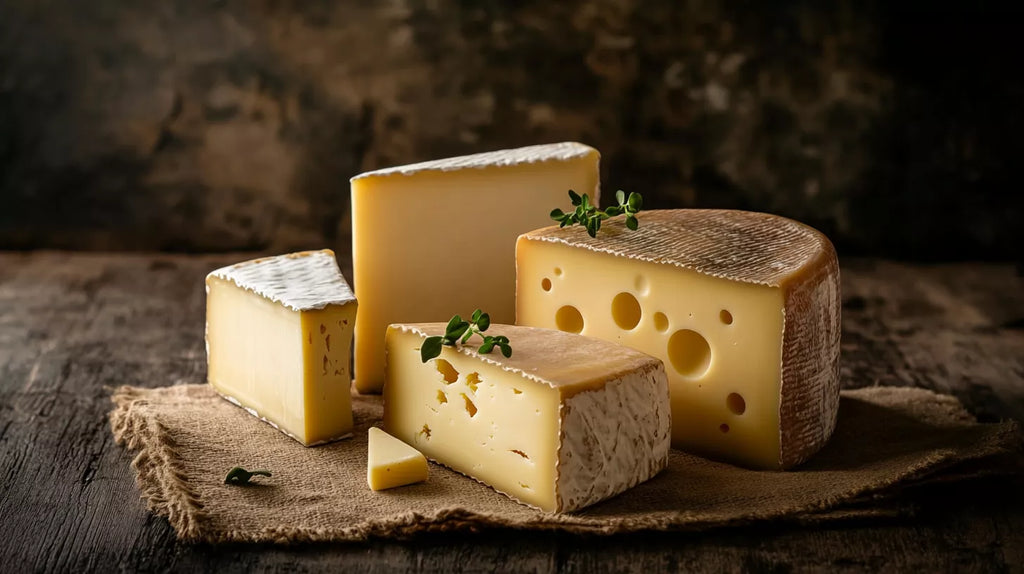
Pressed cheeses: the ideal pairing with a Givry White
The Best Wines of the Givry AOC
The Givry AOC is full of exceptional wines, each bearing the unique imprint of its terroir. Nevertheless, if you want to discover the very essence of the appellation and savor wines of impeccable quality, the Domaine du Cellier aux Moines is an essential reference.
Since its acquisition in 2004 by the Pascal family, the estate has undertaken colossal work to enhance its terroirs and wines. Today, the property of 10 hectares has become one of the very best in the appellation! Moreover, since 2020, the vineyard has been officially certified organic, and conversion to biodynamics has begun, marking a new stage in the quest for quality. We strongly encourage you to discover their top-level range!
And there you have it, you now know almost everything about the Givry AOC! Between its fascinating history, its indulgent and complex wines, and the possible food pairings, all that's left is to open a fine bottle! To do so, feel free to make your choice on our website La Cave Éclairée. See you soon for new discoveries!


