

Welcome to Burgundy, a wine-growing region where every drop of wine tells us a story! Located in the heart of the Côte Chalonnaise, Mercurey is part of the region’s magnificent wine heritage and is well known to lovers of Pinot Noir and Chardonnay.
So, whether you are passionate or simply curious, follow us in this article to explore the secrets of this legendary appellation. Grape varieties, terroirs, climate, food and wine pairings, and Premiers Crus — you will know everything about Mercurey after reading this!
Summary
The history of the Mercurey AOC
Viticulture in Mercurey finds its roots in Antiquity, from the 1st century AD, a period when the Romans introduced the vine to Gaul. The name of the appellation is said to refer to Mercury, Roman god of commerce and travelers. According to legend, a temple dedicated to Mercury may even have existed on the territory of the current commune!
While the Romans played a key role in structuring the vineyards and mastering winemaking techniques, it was nevertheless during the Middle Ages that Mercurey truly took off viticulturally thanks to the Benedictine and Cistercian monks. They played a central role in land management and the improvement of viticultural practices in Burgundy. During this period, Mercurey wines also began to gain recognition in the region and to be traded on a limited commercial scale.
Then, from the 17th to the 18th century, Mercurey wines gained in notoriety, notably thanks to their proximity to important markets such as Chalon-sur-Saône and Dijon. The region became more structured, and winegrowers refined their know-how.
The end of the 19th century was, however, darker for the appellation as well as for European viticulture. The phylloxera crisis (an insect attacking vine roots) hit the Mercurey vineyards hard from the 1870s. The reconstruction of the vineyards was long and required considerable effort. Nevertheless, thanks to the perseverance of the winegrowers and the solution of American rootstocks, the Mercurey vineyard was partly reconstituted from the beginning of the 20th century.
The modern history of Mercurey was written in 1936, the year its Appellation d'Origine Contrôlée (AOC) was created. Today, Mercurey covers about 650 hectares. The vineyard also includes 32 climates classified as Premier Cru, representing 25% of the AOC’s surface area and reflecting the magnificent richness of the local terroirs.
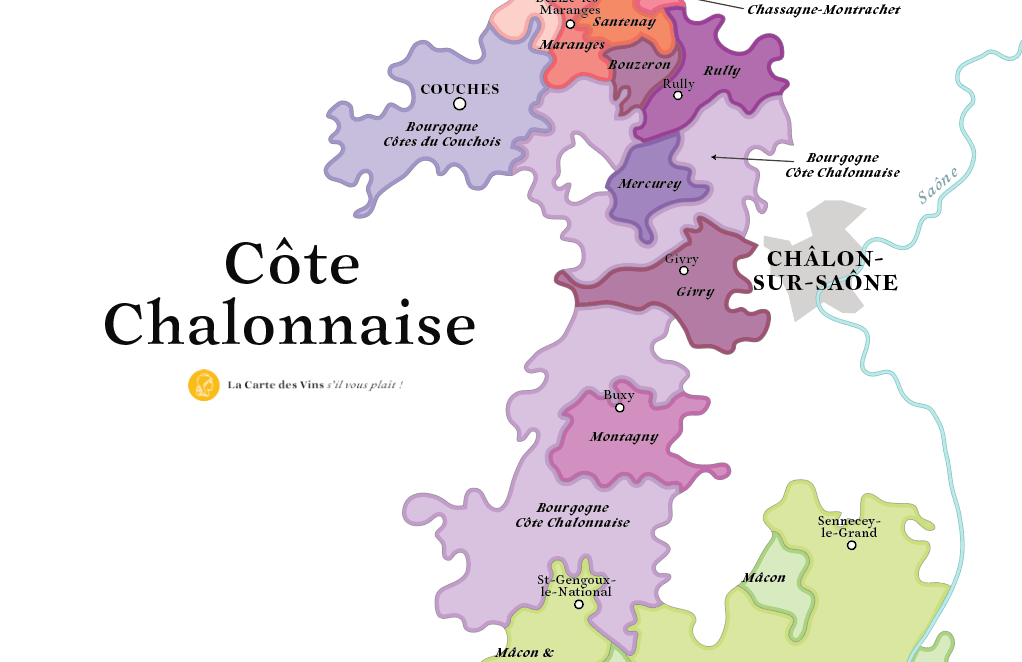
Map of the Côte Chalonnaise, in the southern part of the Burgundy vineyard
Climate and soils of the Mercurey appellation
Located a few kilometers northwest of Chalon-sur-Saône, the commune of Mercurey is crossed by the river "Le Giroux" and forms two slopes (north and south) as well as several small valleys. This geographical configuration creates a great diversity of soils.
Thus, although the whole can be roughly summarized as " clay-limestone terroir", if we want to be more precise, several geological formations stand out.
- Middle Jurassic limestones: Mercurey rests on a limestone subsoil dating mainly from the Middle Jurassic (about 170 million years ago). This type of soil offers excellent drainage and promotes vine growth as well as grape concentration.
- Clay-limestone marls: these soils are rich in clay and limestone, which is beneficial for the Pinot Noir grape as they retain water well while allowing good aeration. They are often associated with deep and structured red wines.
- Limestone scree: located at the bottom of the slopes, these soils are made up of rock debris from the upper slopes and usually produce generous and well-balanced wines.
Mercurey also benefits from a semi-continental climate with hot summers and cold winters. Sheltered from westerly winds, the vineyard also enjoys generous sunshine for Burgundy, which promotes good grape ripening.
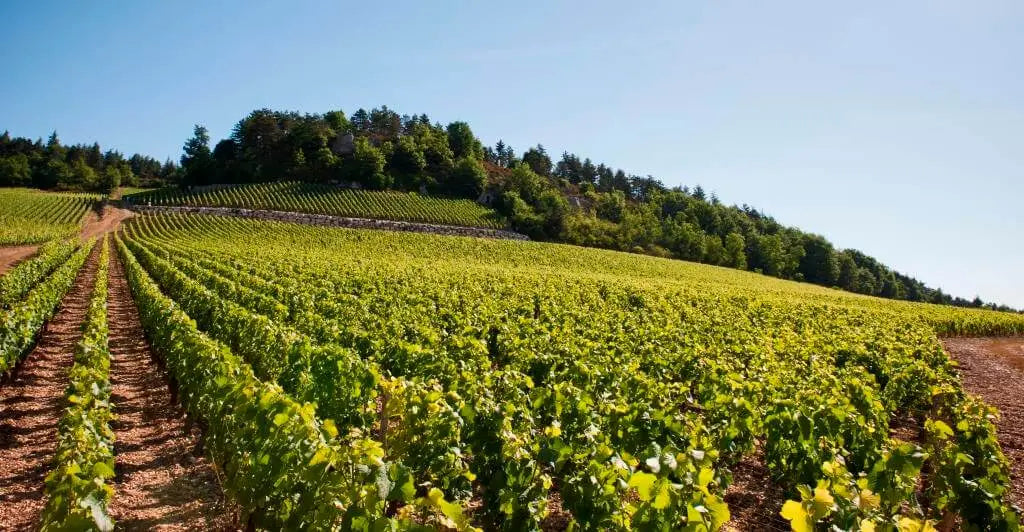
Welcome to Mercurey, at the heart of the Great Wines of Burgundy!
The wines of the Mercurey AOC
The Mercurey AOC produces mainly red wines (over 80%), from the single grape variety Pinot Noir. The rest of the plantings are dedicated to Chardonnay and the production of white wines. Here are a few more details on what awaits you in tasting if you take a closer interest in the wines of this great appellation.
Red Mercurey wines
The red wines of Mercurey have a reputation for combining finesse and indulgentise. Indeed, the location of the appellation in the south of Burgundy gives Pinot Noir profiles here with less acidity than those of the Côte de Nuits wines and a more direct and expressive fruit.
When tasting a red Mercurey, you will be struck by its intense ruby color as well as its deep and fleshy aromas of red fruits (crushed strawberry, raspberry, cherry). Aging in oak barrels is common and brings delicious spicy notes (vanilla, pepper, cinnamon, clove, etc.). Good Mercurey wines offer body and length.
The tannins are often fine but more pronounced than those of the more "northern" Burgundy wines. With age, aromas of undergrowth, tobacco, and cocoa may appear.
Red Mercurey “ village ” wines are generally best enjoyed in their relative youth and express a lot of indulgentise for immediate pleasure. However, Mercurey Premiers Crus should be kept to refine their tannins and reach their peak. In this case, cellaring for 10, 15, or even 20 years is quite possible!
White Mercurey wines
The white wines of Mercurey are made from the Chardonnay grape variety. In very rare cases, Pinot Gris (or Pinot Beurot) may also be used.
Although whites are not the majority in the appellation, they are well worth discovering ! Their golden color, sometimes with green highlights, is instantly charming. On the nose and palate, these wines reveal aromas of white fruits (peach, pear), citrus, white flowers, hazelnuts, almonds, and sometimes a touch of spice if aged in barrels. Depending on the terroir, a certain minerality also appears, bringing a beautiful balance to the whole, between freshness and indulgentise.
Most white Mercurey wines are best enjoyed in their early years. However, in climates classified as "Premier Cru", cellaring for 10 to 15 years is quite possible.
The Premiers Crus of the Mercurey appellation
Although the commune of Mercurey does not have any Grands Crus, 32 Premiers Crus reveal here all the excellence of the appellation. Here are some of these elite terroirs.
- Clos des Barraults: located slightly at altitude (250 to 300m) on limestone soils, this climate produces red and white wines with great tension and elegant structure.
- Les Naugues : Located on soils rich in limestone with good exposure, the reds from Les Naugues are renowned for their depth and generally age well. Whites are rarer but remarkable, oscillating between minerality and indulgentise.
- Clos L’Évêque: one of the oldest climates in Mercurey, located near the village. It is known for its structured, powerful, and generous reds.
- Clos du Roy : close to the village, this climate is very well situated on an east-facing slope. The reds are deep and complex, with a solid tannic structure and excellent aging potential. Whites are rare, lively, and well balanced.
- Le Clos des Montaigus: located on well-exposed south-east facing slopes, at altitude. The reds are structured and elegant, with great freshness. Whites are rare and offer minerality and tension.
- Les Champs Martin: located east of Mercurey, on well-drained clay-limestone soil, this climate is renowned for its harmonious and accessible wines. The reds are balanced, with notes of crisp red fruits and a lovely mineral backbone. The whites are rich and round.
- Les Saumonts : located in the center of the appellation, this terroir has an east/south-east exposure and rests on clay-limestone soils offering very good drainage. The red wines produced here are round, fruity, and indulgent, with a lovely acidic backbone that brings freshness.
- Les Velley: Located on the hillside, with excellent southern exposure. The reds are rather fine and elegant, with floral and small red fruit aromas, while the whites are marked by lovely minerality and freshness
Of course, we could have mentioned many other Premiers Crus here, such as "Les Combins", "Les Byots" or "En Sazenay", all developing a unique personality and representing the quintessence of the Mercurey appellation.
What to eat with a wine from the Mercurey AOC?
The wines of the Mercurey AOC pair wonderfully with a wide range of dishes, highlighting their unique character. Here are some suggestions to enhance your tasting.
Pairings with a red Mercurey
To accompany a tannic and powerful red Mercurey, opt for flavorful red meats such as a grilled rib steak, roast beef, or duck fillet. These dishes highlight the structure and intense aromas of the wine.
With a red Mercurey focused on indulgentise and fruit, choose tender poultry such as roast chicken or capon — guaranteed success ! Other pairings are also possible, such as coq au vin, beef bourguignon or even a wild mushroom risotto.
To fully enjoy all their flavors, serve your bottle of red Mercurey at around 14 to 16°C.
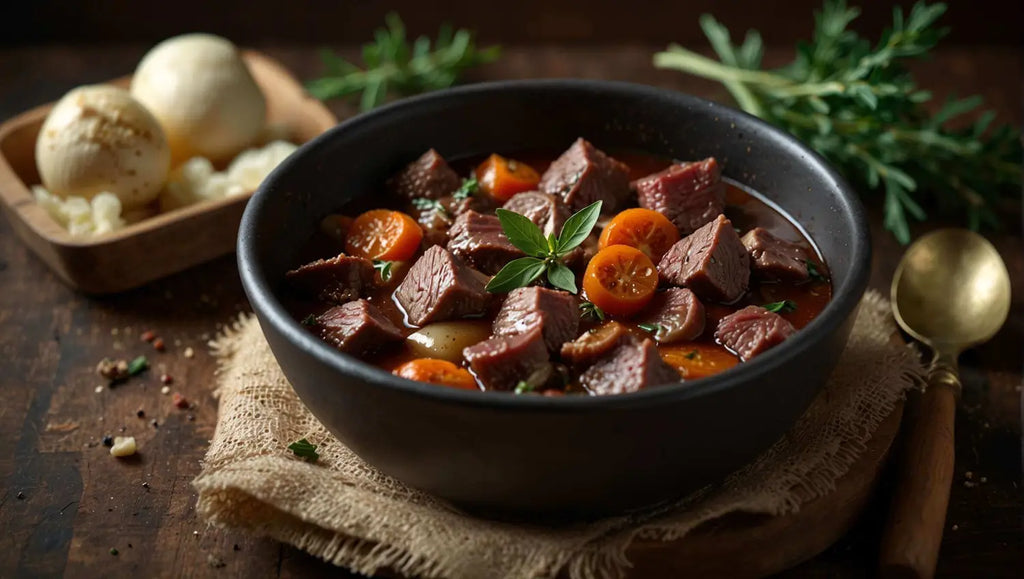
Enhance your red Mercurey with a delicious beef bourguignon!
Pairings with a white Mercurey
With their freshness and indulgentise, white Mercurey wines pair ideally with grilled fish such as sea bass, sea bream, or trout with almonds. Some shellfish such as lobster or langoustine are also excellent companions.
With white Mercurey wines focused on minerality and tension, oysters can also work well.
This type of wine can also pair well with soft cheeses such as brie or camembert. Comté, Abondance, or Gruyère also work very well.
Finally, white Mercurey can also be paired with slightly spicy or exotic dishes thanks to its roundness and freshness (mild vegetable curry, chicken tagine with preserved lemons and olives, etc.).
We recommend serving your white Mercurey between 11 and 13°C to appreciate its finesse and delicate aromas.
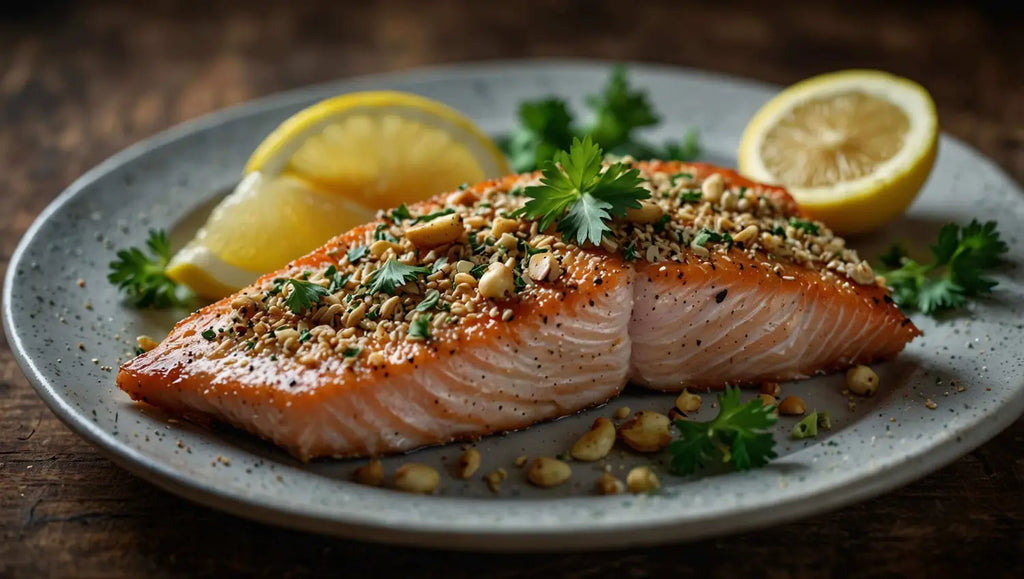
Trout fillet with almonds: the perfect pairing for your white Mercurey
The best wines of the Mercurey appellation
To finish your discovery of Mercurey in style, let’s now talk about the estates that make the reputation of the appellation. Among them are iconic names such as Domaine Faiveley, Château de Bourgneuf, and Clos des Montaigus.
Nevertheless, today we would like to highlight the iconic Château de Chamirey. Owned by the Devillard family since 1934, this emblematic Mercurey estate has established itself over the decades as one of the leading references of the Côte Chalonnaise.
Its vineyard now covers nearly 95 hectares, including numerous Premier Cru sites, producing an outstanding range of Pinot Noir red wines as well as precise and elegant Chardonnay white wines. Recognized by both wine enthusiasts and the specialized press for the quality and consistency of its cuvées, Château de Chamirey is a must-know Burgundy estate for discovering the full richness of Mercurey’s terroirs.
As you have probably understood by now, the Mercurey appellation perfectly reflects the elegance and generosity of the Côte Chalonnaise wines. Combining a rich heritage, exceptional terroirs and renowned estates, every bottle offers a true expression of Burgundy and a memorable tasting experience.
Want to know more about Mercurey wines or other Burgundy appellations? Visit our website La Cave Éclairée and dive into the world of great Burgundy wines and beyond… See you soon!


