





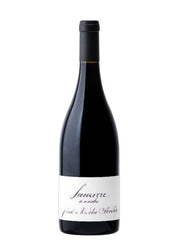


Are you looking for a white wine that stands out from the ordinary? Dive into the fascinating world of AOC Pacherenc du Vic-Bilh, a true wine treasure from the South-West of France. Little known to the general public, this superb appellation nevertheless produces sweet and dry white wines that stand out for their unique character and great aromatic richness.
Discover with La Cave Éclairée the secrets of this exceptional appellation: its history, its characteristics, its wines, and why they definitely deserve a place of choice in your cellar. Happy reading !
History of Pacherenc du Vic-Bilh
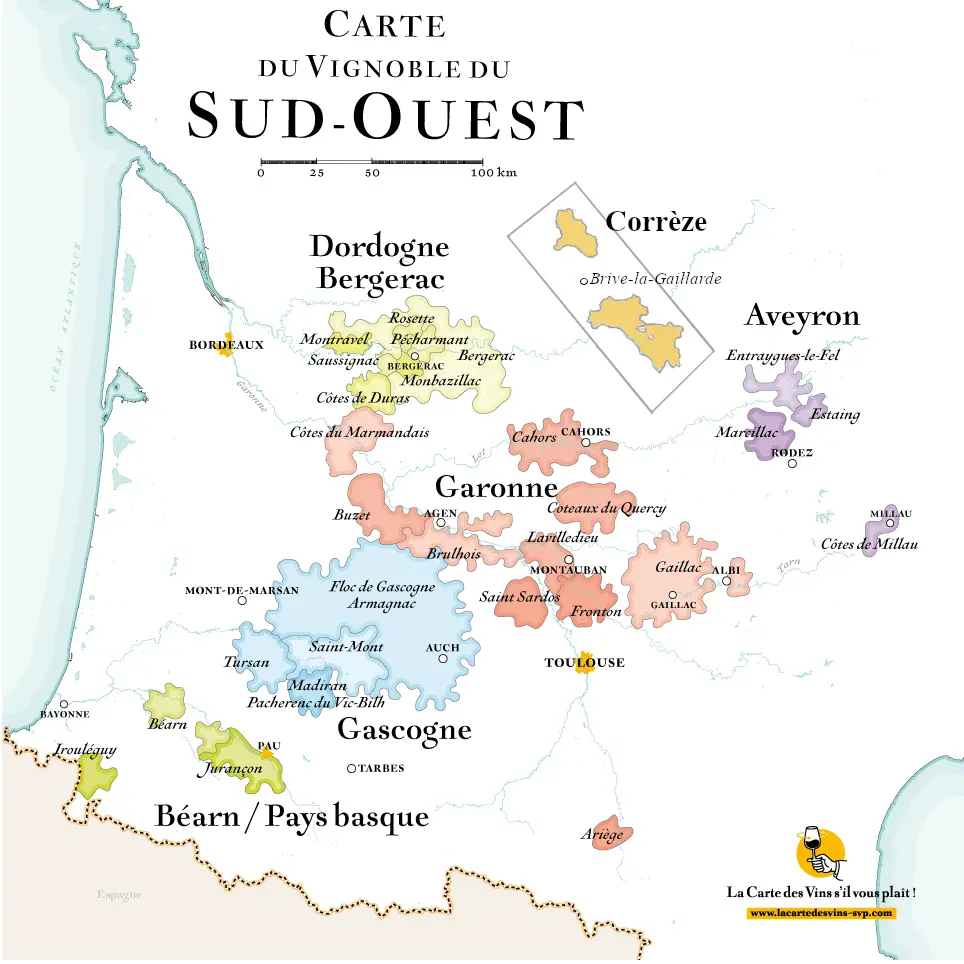
The AOC Pacherenc du Vic-Bilh stands out for a history as rich as the aromas of its wines. Located in the Pyrenean foothills, this appellation covers a territory shared between the Hautes-Pyrénées, Gers, and Pyrénées-Atlantiques. Its name, a blend of the Gascon “pachets en renc” (stakes in a row) and “Vic-Bilh” (old country), evokes an ancient winegrowing past.
The first traces of viticulture in the region date back to the Gallo-Roman era, when the Romans introduced vine cultivation to the conquered provinces of Gaul. The Vic-Bilh region, with its sun-exposed hills and clay-limestone soils, was quickly identified as favorable for viticulture.
In the Middle Ages, viticulture continued to develop in the region under the influence of the abbeys. The monks, often skilled winegrowers, were then the guardians of viticultural know-how. The wine produced at that time was mainly used for liturgical purposes, but was also beginning to be recognized for its taste qualities. It was also during this period that the wine trade from the region expanded to neighboring towns and even to Spain, thanks to trade routes established by pilgrims on their way to Santiago de Compostela.
From the 13th century onwards, the vines were well established and viticulture was an important part of the local economy.
In the 16th century, the dry and sweet white wines of the appellation began to be exported to Holland via the port of Bayonne. At the time, the local cuvées were called “ wines of Vic-Bilh ” (the wines of the old country).
As in many French wine regions, local viticulture suffered a severe blow in the 19th century with the arrival of phylloxera, a devastating insect that destroyed much of the European vineyards. The reconstruction was slow and laborious, and wine production in the region declined for several decades. It was also at this time that the name Pacherenc appeared, derived from the Occitan "pachère" meaning "stake", in reference to the stakes used to support the vines.
At the beginning of the 20th century, Pacherenc du Vic-Bilh was but a shadow of its former self. However, the creation of the Appellation d’Origine Contrôlée (AOC) Pacherenc du Vic-Bilh in 1948 marked a crucial step in the history of this wine and the viticulture of south-western France.
This official recognition, both for the red wines of Madiran and the white wines of Pacherenc (the two appellations largely share the same terroirs, but the AOC Madiran is reserved for red wine production while the AOC Pacherenc du Vic-Bilh is for white wines), indeed made it possible to preserve and promote local know-how that was at risk of disappearing due to various wine crises.
Doctor Pierre Doléris played a decisive role in obtaining this AOC. This doctor, originally from the region, was also a great defender of local winegrowing traditions and a fervent promoter of the wines of Madiran and Pacherenc du Vic-Bilh. As early as the 1930s, he realized the need to revitalize the region’s vineyards, which had been severely affected by phylloxera and the First World War.
Doléris quickly understood that the promotion of the wines would only be possible through official recognition that would guarantee the quality and specificity of the terroir. He therefore actively campaigned for the protection of local grape varieties and the implementation of strict production standards. It is thus largely thanks to his action, in concert with other local winegrowers and wine experts, that an official request was submitted for the AOC.
From the 1980s onwards, the appellation experienced a true revival, thanks to a production boosted by players such as the Plaimont Producteurs cooperative. This development was accompanied by the reactivation of the tradition of late harvests, allowing the production of delicious sweet wines. At the same time, the dry pacherencs, from the west-facing hills, continued to be appreciated for their freshness.
Today, the AOC Pacherenc du Vic-Bilh covers 300 hectares spread over about thirty communes and is recognized for its production of great white wines.
Climates and soils of Pacherenc du Vic-Bilh
The terroir of the AOC Pacherenc du Vic-Bilh is as varied as it is captivating. The vineyard, located between 150 and 300 meters in altitude, benefits from a oceanic climate with continental influences. The hot days and cool nights here create ideal conditions for slow and balanced ripening of the grapes.
Moreover, the majority of the soils in the area are clay-limestone and allow good water retention. Nevertheless, in some parts of the appellation, there are more gravelly and stony soils, especially on the steepest slopes. These less fertile terroirs force the vines to dig deep for water and nutrients, thus enhancing the concentration of aromas and the minerality of the wines.
Finally, at the foot of the hillsides, some plots are located on alluvial terraces, with lighter and sandier soils. These are often preferred for the production of sweet wines.
The combination of these varied terroirs and this mixed climate here gives rise to complex white wines, both lively and aromatic, marked by beautiful acidity.
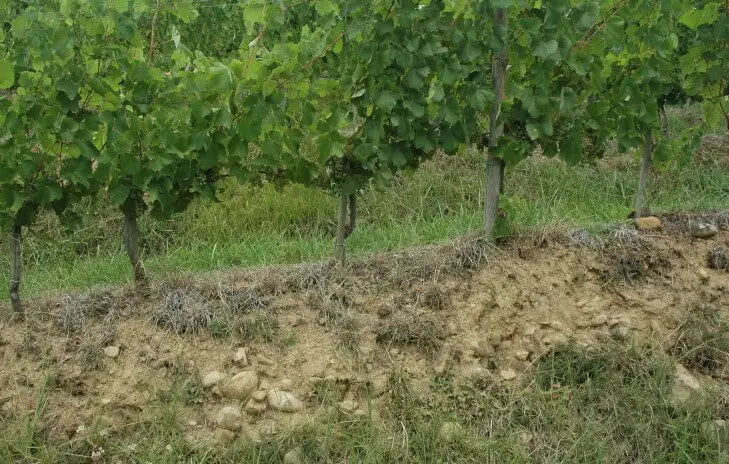
The clay-limestone soils of Pacherenc du Vic-Bilh offer ideal conditions for producing complex white wines
The wines of the AOC Pacherenc du Vic-Bilh
As you will have understood, the production of wines from the AOC Pacherenc du Vic-Bilh falls into two main categories : dry white wines and sweet white wines.
The sweet Pacherencs du Vic-Bilh are often appreciated for their indulgentsmoothness and balance. Obtained by passerillage, the grapes are left on the vine until they reach a very high sugar concentration. The harvest is done late, generally between mid-November and the end of December. The sweet wines of the AOC are characterized in particular by a golden color anda full and round palate. On the palate, aromas of candied fruit, exotic fruit, but also honey and spices are revealed…
The dry Pacherenc du Vic-Bilh, on the other hand, are less well known but just as enjoyable. Their freshness is often combined with a lovely roundness on the palate as well as fruity (peach, apricot, citrus) and floral notes. For this type of wine, the harvest takes place earlier, generally in September.
Whether for sweet or dry wines, the main grape varieties here are Petit Manseng, Gros Manseng as well as Petit Courbu and Courbu. Other so-called “ accessory ” varieties may also be used, such as Sauvignon or the more local Arrufiac. Each time, at least two grape varieties must be used, including one of the main ones.
What to eat with a Pacherenc du Vic-Bilh?
Did you know that a perfect food and wine pairing can turn a simple meal into an unforgettable moment? Pacherenc du Vic-Bilh, whether sweet or dry, has that little something that can enhance your favorite dishes. Let’s dive together into some delicious pairings
!
For a sweet Pacherenc :
- Cheeses: Are you a fan of Roquefort or Bleu des Causses? Imagine the sweetness of Pacherenc intertwining with the powerful and distinctive taste of these cheeses. It’s the perfect sweet and savory harmony!
- Foie gras: And why not the classic foie gras? The richness of this dish, combined with the complex flavors of a sweet Pacherenc, is a guaranteed explosion of taste!
- Desserts: How about finishing in style with a fruit tart, such as apricot or quince, or even a chestnut tart? The sweetness of sweet Pacherencs envelops every bite here and could well be the highlight of your meal !
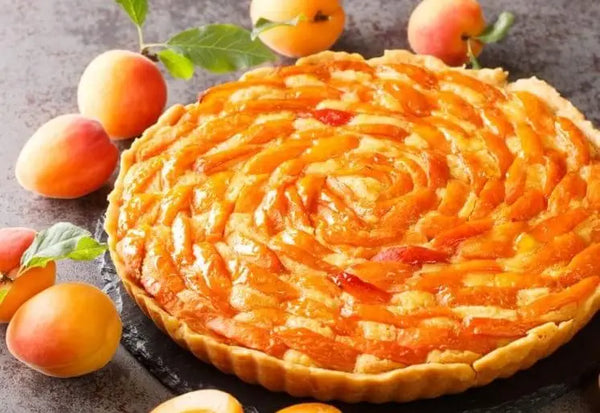
Apricot tart and sweet Pacherenc: a delight!
For a dry Pacherenc :
- Mixed salads: Fancy a light salad? With the fresh and fruity aromas of dry Pacherenc, it’s a simple but devilishly effective pairing.
- White meats: Chicken, turkey, pork… these white meats find a perfect companion in dry Pacherenc. The mix of flavors, does that speak to you?
- Exotic cuisine: Lovers of sushi and sashimi, have you ever thought of pairing them with a dry Pacherenc? This wine reveals the finesse of raw fish!
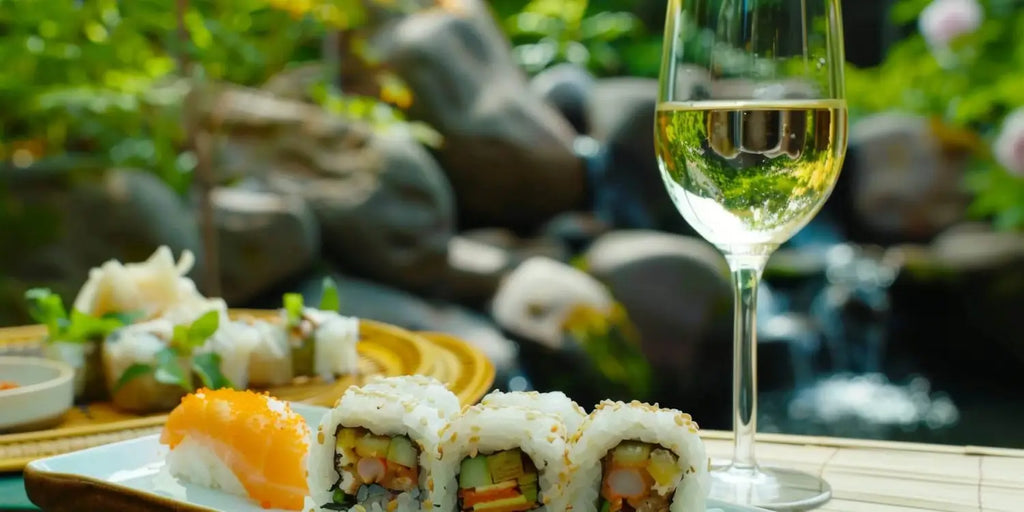
Sushi and Pacherenc du Vic-Bilh, a perfect duo for lovers of exotic and refined pairings
If the majority of the dry whites of the appellation are meant to be drunk in their youth, many sweet and dessert wines of the appellation can easily be kept for 10 or even 20 years (or more!) in the cellar. These are clearly cuvées made for aging !
Finally, in terms of serving temperature, serve your sweet Pacherenc du Vic-Bilh well chilled, between 8 and 10°C, so that their full aromatic palette can unfold. For dry whites, the same temperature can be applied, but if your cuvée has good body, serving between 10-12°C is also possible.
So, which pairing will you be tempted by for your next evening?
What are the best wines of Pacherenc du Vic-Bilh?
To end this oenological adventure on a high note, let us introduce you to one of the most important personalities of the region : Alain Brumont.
An emblematic figure of South-Western wines, this iconic winemaker actively participated, from the 1980s onwards, in the great revival of the region’s wines. Today, the production from his estates, Château Montus and Château Bouscassé, shines around the world. Even his négociant wines are of very good quality and offer wonderful value for money!
Now at the head of 250 hectares, the Brumont Vineyards continue to be an absolute reference throughout the South-West and Alain, although still involved, has now handed over the reins of the estate to his son-in-law Antoine Veiry. Discover their magnificent cuvées, you won’t regret it!
Want to know more? Dive right into the world of wine with La Cave Éclairée. There you will discover a wealth of information, favorites to share, and ideas to enrich your wine experiences. See you soon for new wine adventures !


