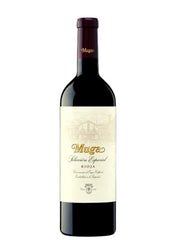
Bodegas Muga - Rioja - Selección Especial 2019
39,90€33,90€






The vine in Chablis dates back to the Gallo-Roman era. During this period, the Romans laid the foundations of local viticulture and introduced advanced cultivation techniques, such as hillside planting and regular pruning of the vines.
In the Middle Ages, the white wines from this part of Burgundy already enjoyed a good reputation. Located at the northernmost tip of the Burgundy vineyard, Chablis developed a unique identity very early on, shaped by limestone soils and a cool continental climate. These natural conditions here favor the production of wines with marked acidity, a taut structure, and a pronounced mineral expression.
In the 12th century, the Cistercian monks played a fundamental role in the development of the vineyard.They then identify the best climates, structure the existing vineyard, and lay the foundations for a rigorous viticulture based on the observation of terroirs. Thanks to their work, Chablis wines quickly gained notoriety and were exported to the great European courts.
Nevertheless, at the end of the 19th century, during the phylloxera crisis, the Chablis vineyards were severely affected. Yields then dropped sharply, and some plots had to be completely replanted. To save local viticulture, winegrowers adopted grafting onto American rootstocks, a technique imported from across the Atlantic. This reconstruction allowed the Chablis vineyard to be reborn and to maintain its reputation as a great Burgundy white wine.
This renewal materialized in the 20th century with the official delimitation of the AOC in 1938 and the establishment of the Premier Cru and Grand Cru classifications, highlighting emblematic vineyards such as Vaudésir, Les Clos, or Les Grenouilles. These distinctions then made it possible to rank the terroirs and confirm the exceptional quality level of Chablis wines.
Today, the Chablis appellation is regarded as a world reference for Chardonnay. Its white wines are regularly praised in specialized guides (Hachette guide, RVF guide, etc.) and sought after for their precise, pure, and authentic style, a symbol of the excellence of great French white wines.
The wines of the Chablis AOC are available in several levels of appellation:
Overall, the cuvées from sunnier terroirs gain in roundness and offer a fuller palate, while retaining the typical character of the Chablis vineyard. Furthermore, it should be noted that each estate brings its own style : soil management, plot selection, and aging methods directly influence the aromatic profile and structure of the wines. Thus, enthusiasts can enjoy a wide range of sensations, from finesse and lightness in Petits Chablis and classic Chablis, to power and complexity in Premiers Crus and Grands Crus.
Among the emblematic estates, Domaine Garnier & Fils perfectly illustrates this diversity, producing wines that combine mineral precision and aromatic richness.
Other important players such as Vincent Dauvissat, William Fèvre, and Domaine Raveneau are also major winemakers in the vineyard.
The cooperative La Chablisienne is also a historic player in the history of Chablis. Founded in 1923, it has played a decisive role in the structuring and sustainability of the vineyard, especially after the phylloxera crises and successive frosts. Bringing together nearly 300 winegrowers today and representing about 25% of the total production of the appellation, it is a true driver of quality and has strong commercial power. It has greatly contributed to the international reputation of Chablis !
Chablis, whether “villages”, Premier Cru or Grand Cru, is a particularly versatile white wine, appreciated for its freshness, minerality, and subtle aromatics.
Its lively and elegant palate makes it ideal for pairing with many dishes, especially seafood, grilled fish, or even shellfish. Some fresh cheeses also pair very well with this wine, offering a delicious balance.
The Premier Cru cuvées and Chablis Grand Cru, on the other hand, reveal a fuller and more complex palate, with pronounced mineral notes. These wines are therefore perfectly suited for refined gastronomic pairings, such as fine fish (sea bass, turbot), scallops, or poultry in cream sauce.
To fully enjoy Chablis wines, it is usually recommended to serve your bottles between 8 and 10°C, in order to preserve their freshness and aromatic notes. Furthermore, for wines from Premier Cru and Grand Cru plots, their greater aromatic complexity means it is preferable to serve them between 10-12°C. The use of a suitable wine glass, slightly flared, will also allow you to concentrate the aromas.
To properly taste a Chablis white wine, it is important to follow a few essential steps, simple and accessible to everyone.
Start first by observing the color of the wine in your glass: it is generally clear, bright, and crystalline. This first observation already gives you indications about the age and freshness of the cuvée, whether it comes from a small family estate like Garnier et Fils or a major producer like La Chablisienne.
Then continue with the nose. Take the time here to smell the wine and identify the notes emanating from your glass: often citrus fruits, green apple, or a mineral touch reminiscent of wet stone. At this stage of the tasting, the goal is to become familiar with the style of the wine.
On the palate, let the wine spread across your palate. A Chablis is recognized by its freshness, tension, and balance. Focus on the overall sensation rather than detailed analysis: is it lively, round, mouthwatering? Finally, enjoy the finish, that is, the persistence of aromas after swallowing or spitting out the wine. The longer and cleaner it is, the higher the quality of the wine.
These few steps will help you better understand the differences between a cuvée from the Petit Chablis appellation, Chablis, or even the Premiers Crus and Grands Crus. You now know how to organize your tasting and fully appreciate the unique identity of Chablis wines !
While Petit Chablis and Chablis Villages are generally best enjoyed within their first 3 years, Premier Cru cuvées and Chablis Grand Cru often gain in complexity and aromatic richness after a few years of aging. It can therefore be interesting to drink a Chablis Premier Cru 5 to 8 years after bottling and 8 to 15 years for the Grands Crus if you enjoy mature wines.
In this latter case, it is essential to store these delicious white wines in proper conditions: your bottles should therefore be stored horizontally in a cool, dark cellar, at a stable temperature (12-14°C) and with adequate humidity (70-80%).
To enjoy your wine at its best, it is recommended to consult the winegrower, your wine merchant, a specialized magazine (Hachette guide, RVF guide, etc.) or expert reviews to determine the optimal aging period for your bottle. Finally, prices may also vary significantly between a classic Chablis, a Premier Cru, or a Chablis Grand Cru, but all deserve proper storage to fully enjoy their potential.
Thus, whether it is a purchase for immediate consumption or a bottle intended to age in the cellar, following these tips will ensure that every bottle of Chablis you have expresses its typical character and the magnificent richness of the Burgundy vineyard !
To fully enjoy the white wines of the Chablis AOC, there is nothing better than turning to La Cave Éclairée ! On our site, you can discover a selection of "classic" Chablis, Premiers Crus, and even Chablis Grand Cru, from renowned estates such as Domaine Garnier & Fils. We also offer a secure shopping experience as well as careful delivery to a pick-up point or to your home. In addition, purchases can be made individually or as part of a promotional bundle.
At the time of your purchase, it is essential to check the vintage and the style of the estate: each wine evolves differently depending on its terroir, classification, and aging methods.
Thus, whether you wish to buy a single bottle for immediate tasting or take advantage of a promotional offer to build your cellar, our online store will allow you to choose according to your desires and your budget. Prices are clearly indicated for each cuvée and the detailed descriptions will help you select the ideal wine according to your preferences. Feel free to also consult our customer reviews or contact us directly for advice. This way, you can easily compare the different cuvées and make an informed choice.
So, what are you waiting for ?! Treat yourself to the unique experience of a delicious Chablis from the comfort of your home and let yourself be captivated by the richness and finesse of these exceptional white wines from Burgundy! Of course, our range is not limited to this single AOC; the great appellations of Burgundy are also available on our site (Gevrey-Chambertin, Puligny-Montrachet, Chassagne-Montrachet, etc.), as well as all the other vineyards of France, from Alsace to Languedoc!

Located near Auxerre and isolated from the rest of the Burgundy vineyard, the Chablis appellation nevertheless enjoys very strong renown, both in France and...

Whether you are a wine enthusiast or not, you have most likely already heard of Chardonnay. And for good reason, it is the second...

Chablis or Sancerre: discover the differences and similarities between these two iconic wines. Terroirs, grape varieties, aromas, and food pairings await you.


