

Bubble enthusiasts, welcome to the sparkling world of Prosecco! Often compared to champagne, this beautiful Italian sparkling wine nevertheless has its own unique identity. With its fruity notes, floral aromas, and lightness on the palate, these lovely bubbles are indeed the perfect ally for your aperitifs and celebrations.
Curious to learn more? Follow La Cave Éclairée for an in-depth exploration of this wine that has conquered the world. Ready for adventure? Let's go!
Summary
History of Prosecco
The ancestor of Prosecco dates back to the beginning of our era. At that time, a wine called Pucinum was indeed produced by the Romans in the Friuli region, near the Adriatic Sea.
As winemaking methods have evolved considerably since Antiquity, it is very difficult for us today to state with certainty what this wine might have been like. However, it is assumed that the grape used at the time was an ancestor of the Glera grape variety, or at least a similar variety. Since the mastery of effervescence only occurred from the 17th century onwards, it is also impossible that the Pucinum was sparkling. It was therefore probably a dry white wine with pronounced acidity which was highly prized by the Roman elite.
The term "Prosecco" itself appears for the first time in writings during the 16th century, in reference to a small village near Trieste.If the exact geographical area as well as the grape variety used may have fluctuated over the centuries, it is nevertheless likely that wine production in this region has direct roots with the Pucinum of the Roman era.
The rise of Prosecco as we know it today truly began at the end of the 19th century, with the implementation of the tank fermentation method (Charmat method) and the development of modern viticulture in the hills of Conegliano and Valdobbiadene, further north of Trieste.
These hilly landscapes were moreover inscribed on the UNESCO World Heritage List in 2019, thus paying tribute to the natural beauty and the viticultural richness of the region.
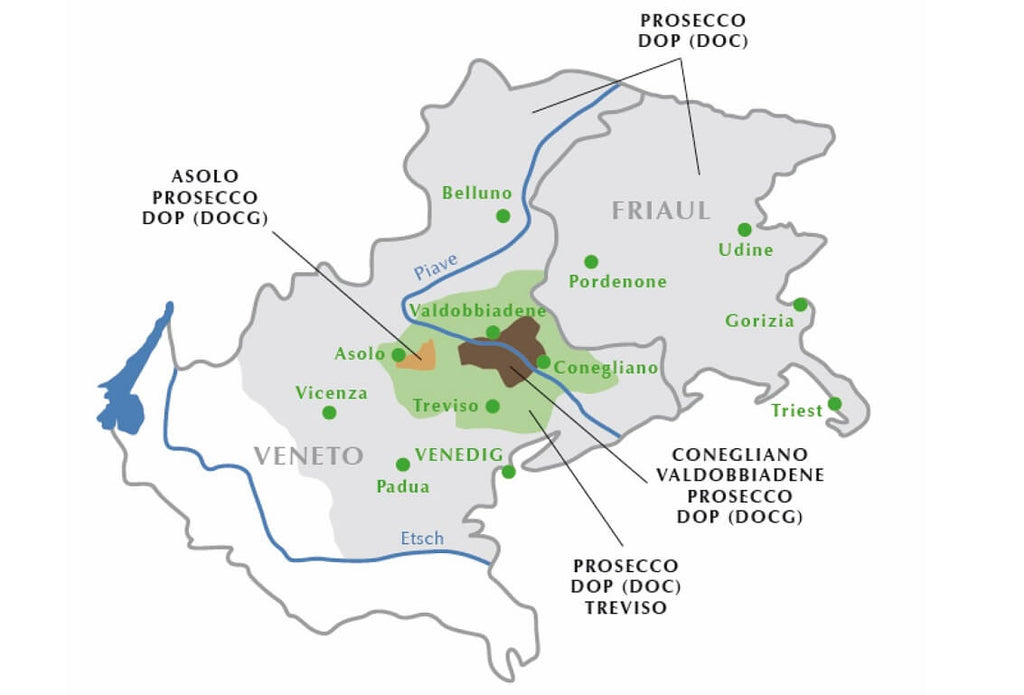
The Prosecco DOC (Denominazione di Origine Controllata) was created in 1969 in order to guarantee the origin and quality of the wine produced.The appellation covers a large geographical area, including the regions of Veneto and Friuli Venezia Giulia, and represents 80 to 85% of the total Prosecco production.
The Prosecco DOCG (Denominazione di Origine Controllata e Garantita) is a stricter and higher-quality appellation than the standard DOC and was created in 2009. Furthermore, it is reserved for the historical vineyard areas, mainly around the villages of Conegliano, Valdobbiadene, and Asolo. The DOCG certified area accounts for 15 to 20% of the total production.
Today, nearly 600 million bottles of Prosecco are produced each year, reflecting the remarkable growth of global demand for this sparkling wine.For comparison, Champagne produces “only” 300 million bottles per vintage. Nevertheless, the value gap between the two products remains very significant…
The different types of Prosecco
Prosecco Spumante
The Prosecco Spumante is undoubtedly the best-known and most appreciated type.Its production method is the Charmat method, a process during which the wine undergoes a secondary fermentation in stainless steel tanks to produce the bubbles (unlike Champagne, where this must be done in the bottle).
Prosecco Spumante has a lively effervescence, abundant foam, and fine yet persistent bubbles. Its aromas revolve around fresh fruits such as apple, pear, peach, and sometimes floral notes. It is often light, refreshing, and used as an aperitif wine or for cocktails.
Prosecco Frizzante
Prosecco Frizzante is similar to Spumante but simply less effervescent. Its bubbles are therefore more subtle and the foam less persistent.This lower gas pressure is explained by the fact that winemakers interrupt the second fermentation carried out in stainless steel tanks earlier compared to Spumante.
Prosecco Tranquillo
Prosecco Tranquillo is simply a still white wine without bubbles. It is the least known version internationally, but it still has its enthusiasts.
Prosecco Tranquillo stands out for its natural sweetness and its floral and fruity aromas, making it an excellent choice for those seeking an elegant and subtle Italian white wine, ideal for pairing with fish dishes or grilled poultry.
Prosecco according to its sweetness
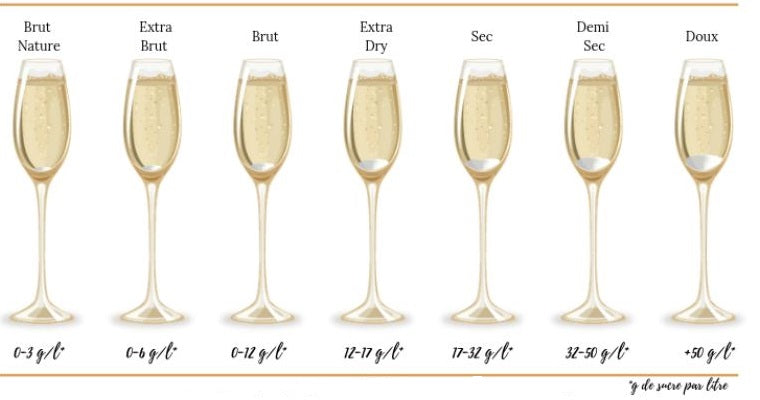
Finally, Prosecco can also be defined according to its dosage, that is to say, its residual sugar content in the bottle. Here is a summary of the different possible dosages (these are also valid for all sparkling wines):
How is Prosecco produced?
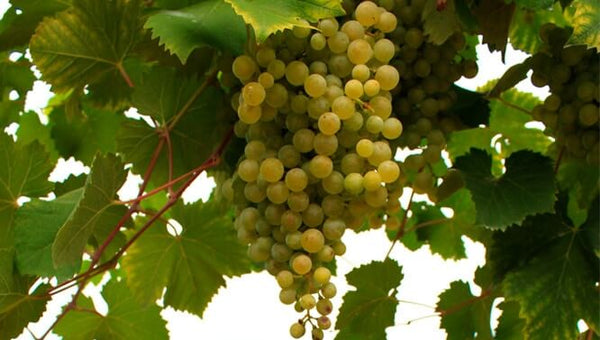
The production of Prosecco is mainly based on the Glera grape variety (formerly called Prosecco). In fact, in the vast majority of cases, this is the only variety used.Nevertheless, other minor grape varieties also exist, such as Bianchetta, Verdiso, and Perera, adding subtle nuances to the aromatic profile of these sparkling wines.
The winemaking method used for Prosecco is the Charmat method (or Martinotti method), which consists of a second fermentation in a closed tank. This technique, unlike the traditional method, preserves the freshness and fruity aromas of the wine while producing fine and persistent bubbles.
This second fermentation in the tank generally lasts 10 to 15 days and takes place at a controlled temperature of around 15 to 18°C in order to preserve the primary aromas of the grape.
Glera, the predominant grape variety in the production of Prosecco
Which cocktails can you make with Prosecco ?
Prosecco lends itself perfectly to the creation of cocktails. Here are a few that will transport you to Italy!
Bellini
Mix peach purée (5cl) with Prosecco (15cl) in a flute, it's that simple! You can use ready-made peach purée or make your own by blending ripe peaches and straining them to remove any pieces.
For an even more refined Bellini, you can add a touch of lemon juice or peach liqueur to enhance the flavors.
Spritz
Aperol Spritz, Saint-Germain Spritz, Campari Spritz…many variations exist but the recipe remains the same !
Fill a glass with ice cubes, add 2 parts Aperol (or Campari or the elderflower liqueur of your choice) to 3 parts Prosecco and 1 part sparkling water (you can also do without). Garnish with an orange slice.
Simple, effective, and always a success during the warm days !
Prosecco Mojito
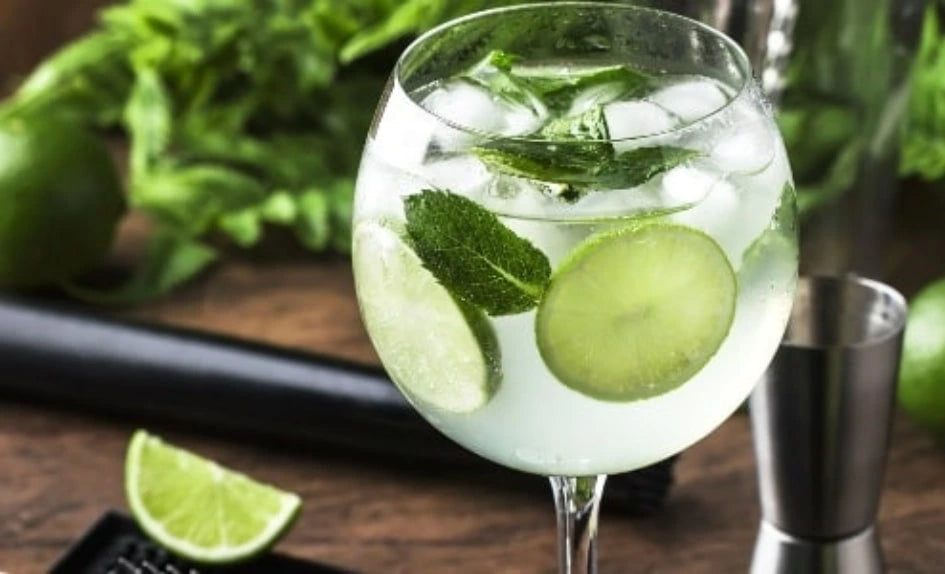
Muddle mint leaves and pieces of lime with sugar in a glass. Add rum, fill the glass with ice cubes, and top up with Prosecco and a little sparkling water.
Here is a refreshing twist on the classic Mojito !
These recipes are ideal for any occasion, whether for an aperitif with friends or to impress your guests at an evening event. With Prosecco, every cocktail becomes an invitation to the dolce vita!
Prosecco Mojito: a refreshing cocktail for your summer evening!
The best Prosecco
If you are looking to enjoy a quality Prosecco, we recommend the one from Sacchetto estate. Located in the Veneto region, this family-owned property stands out for its expertise and respect for winemaking traditions.
Their Prosecco Extra Dry is particularly appreciated for its fruity and floral aromas, as well as for its freshness and roundness on the palate.
Now that you know more about Prosecco, all that's left is to start tasting! Discover our exclusive selection on lacave-eclairee.fr and let yourself be tempted by this Italian wine that will make your taste buds sparkle. Cheers!


