







Often associated with tropics, cocktails, and paradise beaches, rum actually hides a world much richer than it seems. Behind every bottle, there is indeed a terroir, expertise, and a unique identity.
Among the different categories of rum, agricole rum stands out particularly for its production method as well as its unique aromatic expression, which especially appeals to lovers of characterful spirits.
This specific identity therefore raises a question: what really sets agricole rum apart from other types of rum ? Origin, production, terroirs, aromatic styles, and tasting: discover in this guide everything you need to know about this iconic spirit from the French West Indies !
Contents
What is agricole rum ?
Agricole rum is a spirit made from freshly pressed sugarcane juice, also known as vesou.
Mainly produced in the French overseas territories, notably in Martinique and Guadeloupe, agricole rum is part of a centuries-old tradition. Some even benefit from a designation, such as Martinique AOC or Guadeloupe IGP, which strictly regulate the production methods and the origin of the sugarcanes used.
Recognizable by its lively and elegant profile, agricole rum often reveals vegetal notes, floral and fruity aromas, directly linked to the sugarcane and its terroir. Both authentic and complex, it appeals to both pure tasting enthusiasts and cocktail lovers.
Note that agricole rum is a typically French style. This style actually represents only 2% of global rum sales compared to more than 30% in mainland France.
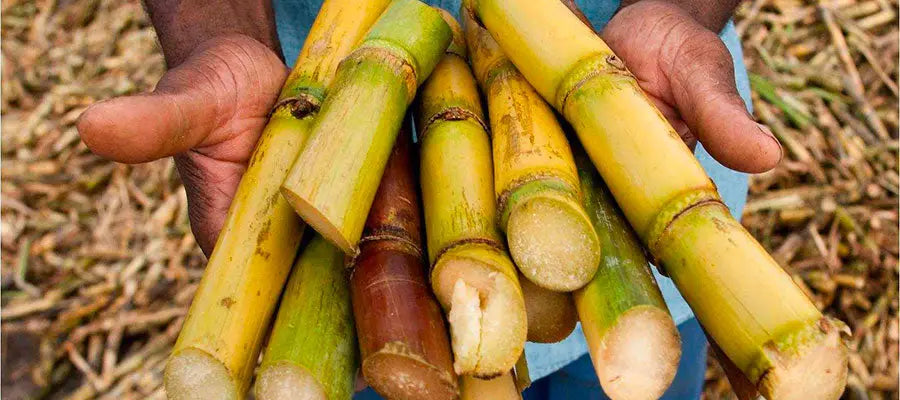 It all starts with the fresh juice of the sugar cane: vesou
How is agricole rum made ?
The production of agricole rum is based on several key steps, each playing an important role in the aromatic profile of the spirit.
The sugar cane harvest
It all begins with the harvesting of sugar cane, also known as the "sugar campaign". In the French Antilles, it generally takes place between February and June, with slight variations depending on climatic conditions and regions. The cane is harvested only once a year, when its sugar concentration reaches an optimal level.
Then, once cut, the cane must be quickly transported to the distillery because it oxidizes quickly and gradually loses its aromatic qualities. The freshness of the cane therefore plays a major role in the quality of the future agricole rum.
Pressing
Upon arrival at the distillery, the cane is crushed to extract its fresh juice, called vesou. Unlike traditional rums made from molasses, agricole rum relies directly on this plant-based raw material.
Vesou has a strong aromatic identity, with herbal, vegetal, floral, and fruity notes. Its quality depends in particular on the variety of cane used, the terroir, as well as the harvest date.
Fermentation
The cane juice is then placed in a tank to start fermentation. Under the action of yeast, the natural sugars in the vesou are gradually transformed into alcohol. This stage generally lasts between 24 and 72 hours, sometimes longer depending on the production methods and the profile sought by the distillery.
The temperature, the type of yeast, and the control of oxygenation strongly influence the aromas of the future rum. For example, a short fermentation will favor a livelier and fresher style, while a longer fermentation will bring more complexity and aromatic richness.
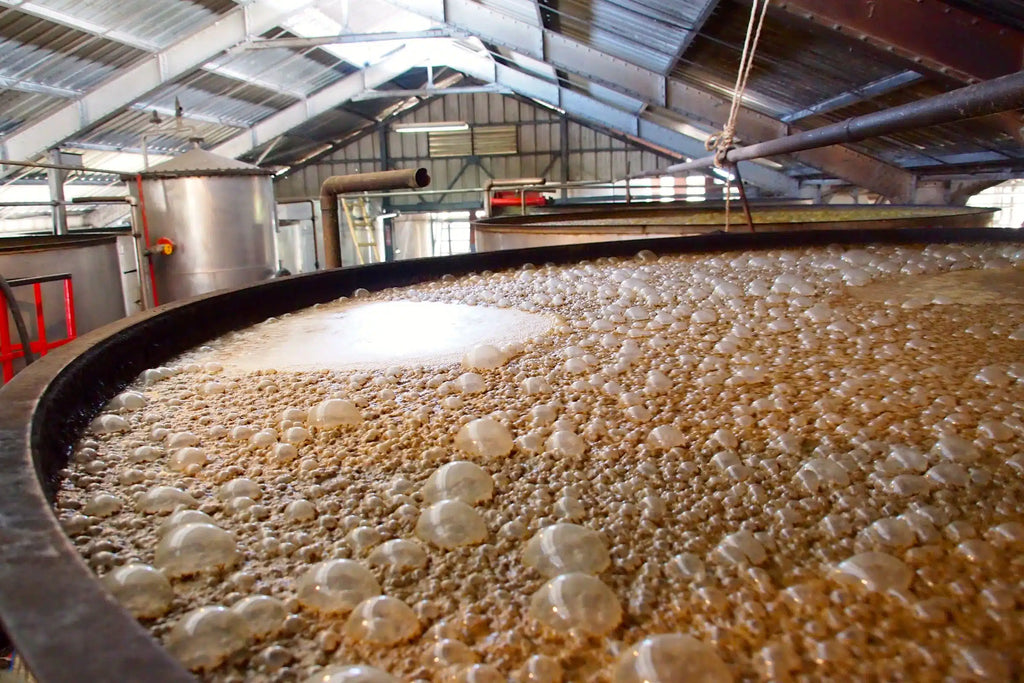 Fermentation transforms vesou into an alcoholic mash
Distillation
The fermented liquid is then distilled, most often in a Creole column made of copper or stainless steel. This distillation method, emblematic of agricole rum, allows for preserving the aromatic finesse of the fermented cane juice, while obtaining a balanced and expressive alcohol.
The heating level, the number of plates in the column, and the distiller's expertise then play an important role in the final profile of the spirit. It is indeed during this stage that much of the aromatic precision of the agricole rum is formed.
Aging or maturation
After distillation, some rums are quickly reduced with water and then bottled as white rum in order to preserve all their freshness and liveliness. Others, on the contrary, continue their evolution in oak barrels for several years, thus obtaining a radically different aromatic profile.
Indeed, aging in wood significantly transforms the spirit, allowing it to develop notes of vanilla, spices, dried fruits, caramel, or even toasted wood. Over time, rum also gains in roundness, complexity, and aromatic depth.
From the harvesting of the cane to aging in barrels, each stage of production contributes to giving a unique identity to the agricole rum.
The differences between agricole rum and traditional rum
Agricole rum and traditional rum belong to the same large family of spirits. Nevertheless, their production methods differ greatly. This distinction directly influences their aromatic profile, texture, and appreciation during tasting.
The raw material
Agricole rum is made from pure sugarcane juice freshly pressed, called vesou.
Traditional rum, also known as industrial rum or molasses rum, is produced from molasses, a by-product of sugar production.
This contrast between fresh juice and molasses significantly changes the style of the resulting rums.
Terroir
The terroir plays a more important role in agricole rum. Indeed, as it is produced directly from cane juice, the climatic conditions, soils, cane varieties, and even the quality of the water have a greater influence on the final result.
Production methods
The differences between agricole rum and traditional rum are not limited to the raw material. In fact, the fermentation and distillation methods also have a strong influence on the style of the final product.
Thus, agricole rum is generally distilled in a Creole column, a technique that preserves all the freshness and aromatic richness of sugarcane juice. This method produces rums that are often refined and very expressive, evoking vegetal and floral notes.
Traditional rum, made from molasses, can be distilled either in a column still or a pot still, depending on the traditions of the producing countries and the desired profile. Some distilleries favor light and accessible styles, while others seek more powerful rums, rich and concentrated in aromas.
During tasting, these differences are quickly noticeable. Agricole rum often seduces with its freshness and liveliness, while traditional rum usually develops a rounder and indulgent profile, with notes of caramel, spices, ripe fruits, or wood depending on the aging.
The different styles of agricole rum
Depending on its aging duration and maturation, agricole rum can display very different profiles, ranging from the liveliest freshness to deep and complex expressions.
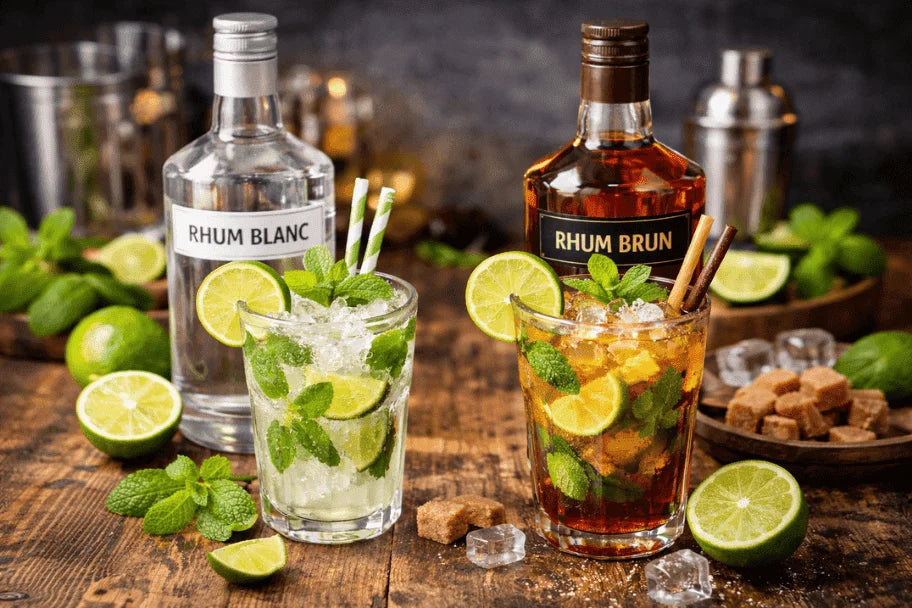 From white rum to aged rum, each style has its own personality
White rum
White rum is the most direct expression of agricole rum. Generally little or not aged after distillation, it retains all the freshness and aromatic intensity of sugarcane juice.
Its profile is distinguished by vegetal, floral, and slightly peppery notes, with great liveliness on the palate. This is the style that most faithfully reflects the terroir, the quality of the cane, and the work of fermentation and distillation.
Widely used in cocktails, notably in ti-punch, white rum can also be enjoyed neat by enthusiasts, especially when it comes to premium cuvées.
Rum aged in wood or amber rum
Rum aged in wood, sometimes called amber rum, refers to a rum that spends a few months in oak barrels, generally for at least one year.
The contact with the wood then allows to soften the rum, while preserving much of the freshness and characteristic aromas of agricole rum. Aging here brings notes of vanilla, sweet spices, dried fruits, or light wood.
Less marked by wood than an aged rum, amber rum often offers an interesting balance between aromatic liveliness and roundness.
Aged rum
Aged rum benefits from prolonged aging in barrels, generally for several years. Over time, contact with the wood profoundly transforms the spirit and greatly enhances its aromatic complexity.
Rich and warm notes can then be appreciated during tasting, such as vanilla, spices, cocoa, caramel, dried fruits, or even toasted wood. The texture also becomes rounder and silkier, like the sublime aged agricole rum from the Martinican brand Neisson.
More complex and structured, aged rum is particularly suited for neat tasting.
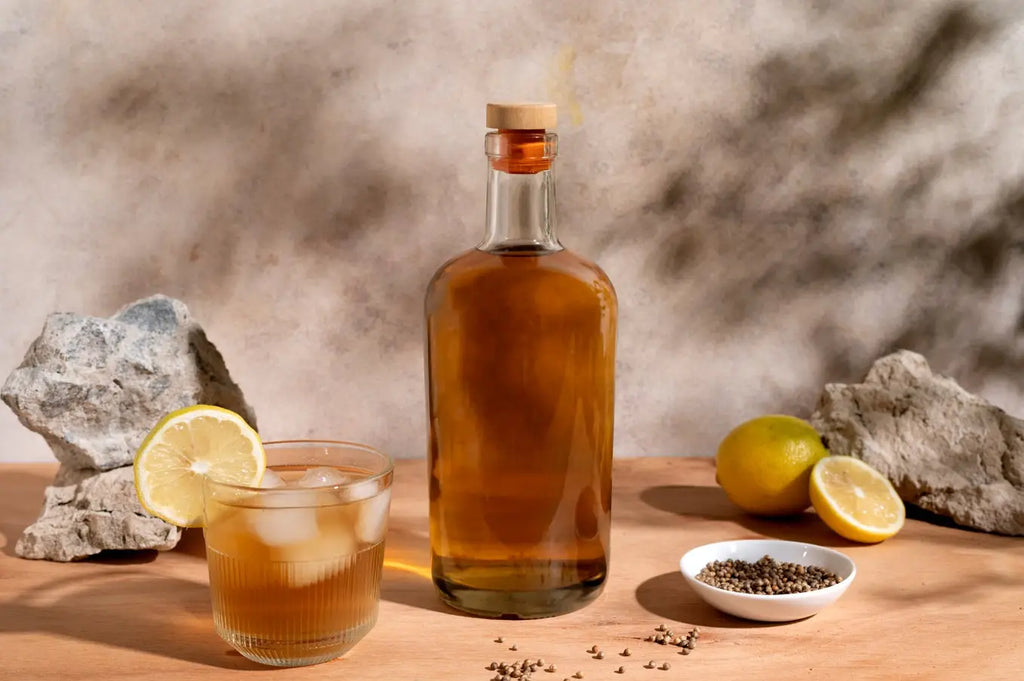 Old rum reveals intense and complex aromas
Infused rum
Infused rum is a preparation made from rum in which fruits, spices or plants are macerated to enrich the aromatic profile of the spirit. Very popular in the Antilles and Réunion Island, it is often made from agricole rum white, chosen for its freshness and vegetal notes.
Today, some brands such as La Fabrique de l’Arrangé revisit infused rum through high-quality and original creations. Vanilla, cinnamon, pineapple, mango, coconut, and lime are among the ingredients regularly used.
In summary
Agricole rum stands out for its authenticity, aromatic richness, and close connection to sugarcane. Thanks to its lively, vegetal, and expressive profile, it holds a unique place in the world of spirits and appeals to both curious enthusiasts and seasoned rum connoisseurs.
White rum, aged in wood, old or infused: each style has its own identity and allows you to discover a different aspect of the expertise of French Caribbean distilleries.
At La Cave Éclairée, we offer you a selection of agricole rums carefully chosen to help you discover the full diversity of this world. Whether for a tasting among enthusiasts, making cocktails, or to please a loved one, our selection of rums will meet all your expectations !


